








How it unfolded
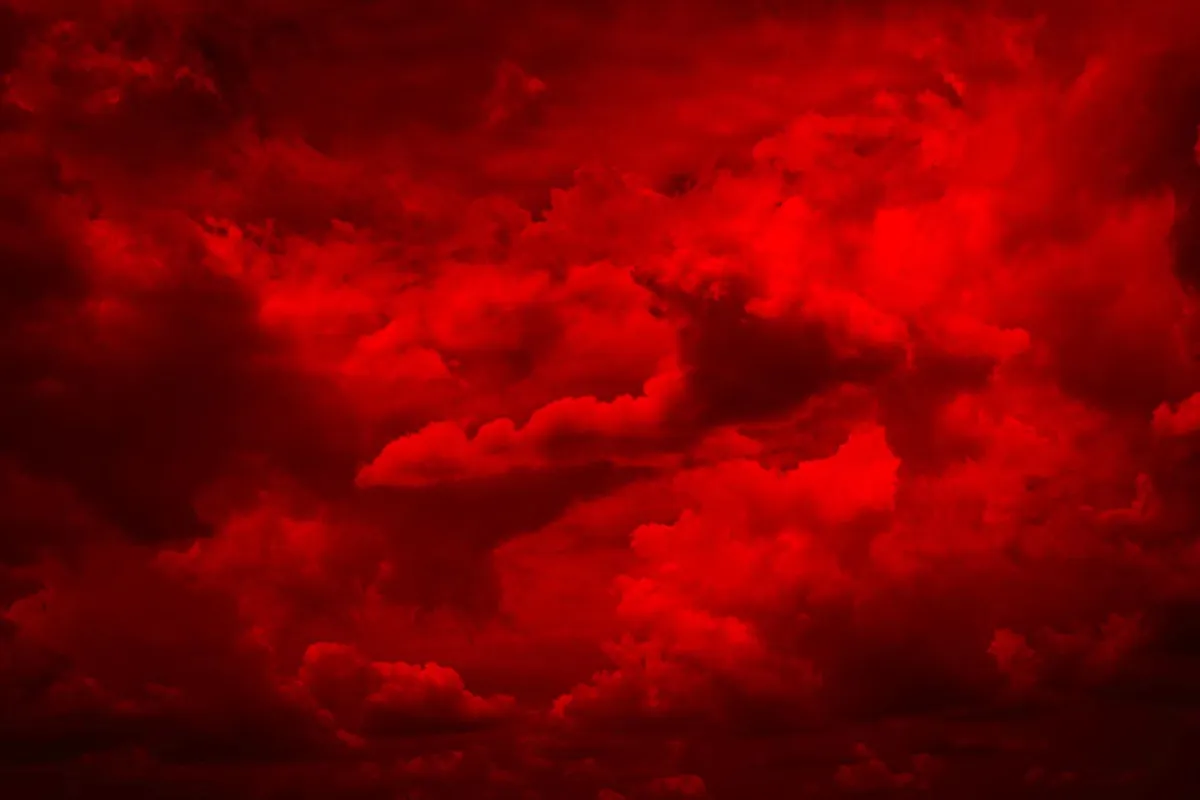
On March 30, 2026, Australia experienced an extraordinary weather phenomenon as Tropical Cyclone Narelle made landfall, bringing with it a striking red sky. The cyclone, which formed near the Solomon Islands, traveled an impressive 5,700 kilometers before reaching Western Australia, impacting Queensland and the Northern Territory along the way.
The unusual red sky was primarily caused by atmospheric dust stirred up by the cyclone’s powerful winds. This dust, rich in iron oxide, created a vivid display, captivating residents and meteorologists alike. Tom Gill, a local observer, remarked, “This is pretty extreme! It’s about the reddest dust levels I’ve ever seen.” Such a phenomenon is rare, especially given that tropical cyclones typically bring heavy rainfall, not dust storms.
In the weeks leading up to Narelle’s arrival, the greater northwest region of Australia had seen only 10-50 mm of rainfall. This dry spell contributed to the cyclone’s ability to generate dust storms, which are not commonly associated with such weather events. NASA noted that it is relatively rare for a storm to make landfall in three Australian states and territories, underscoring the significance of Narelle’s path.
As the cyclone approached, winds were reported to extend 200-260 kilometers from its center, causing concern among residents. A local holiday park owner commented, “Not a lot of wind yet. Let’s hope we get enough rain to wash it all off. It’s an inside day for us, that’s for sure.” This sentiment reflects the anxiety surrounding the cyclone’s potential impact.
Currently, the situation is still developing as the cyclone continues to affect the region. Residents are bracing for possible further weather changes as the storm progresses. The red skies serve as a stark reminder of the cyclone’s unusual behavior and the interplay between tropical systems and arid climates.
This sequence of events matters significantly for those involved, as it highlights the unique weather patterns that can emerge from tropical cyclones in Australia. The red dust not only alters the landscape but also poses health risks and challenges for local communities.
As authorities monitor the cyclone’s trajectory and effects, details remain unconfirmed regarding the full extent of damage or disruption caused by Narelle. The unusual red sky phenomenon will likely be remembered as a striking visual representation of the cyclone’s impact on the region.