







What happens when a critical maritime chokepoint like the Bab el Mandeb Strait faces threats of blockage? The answer is alarming: global trade could be severely disrupted.
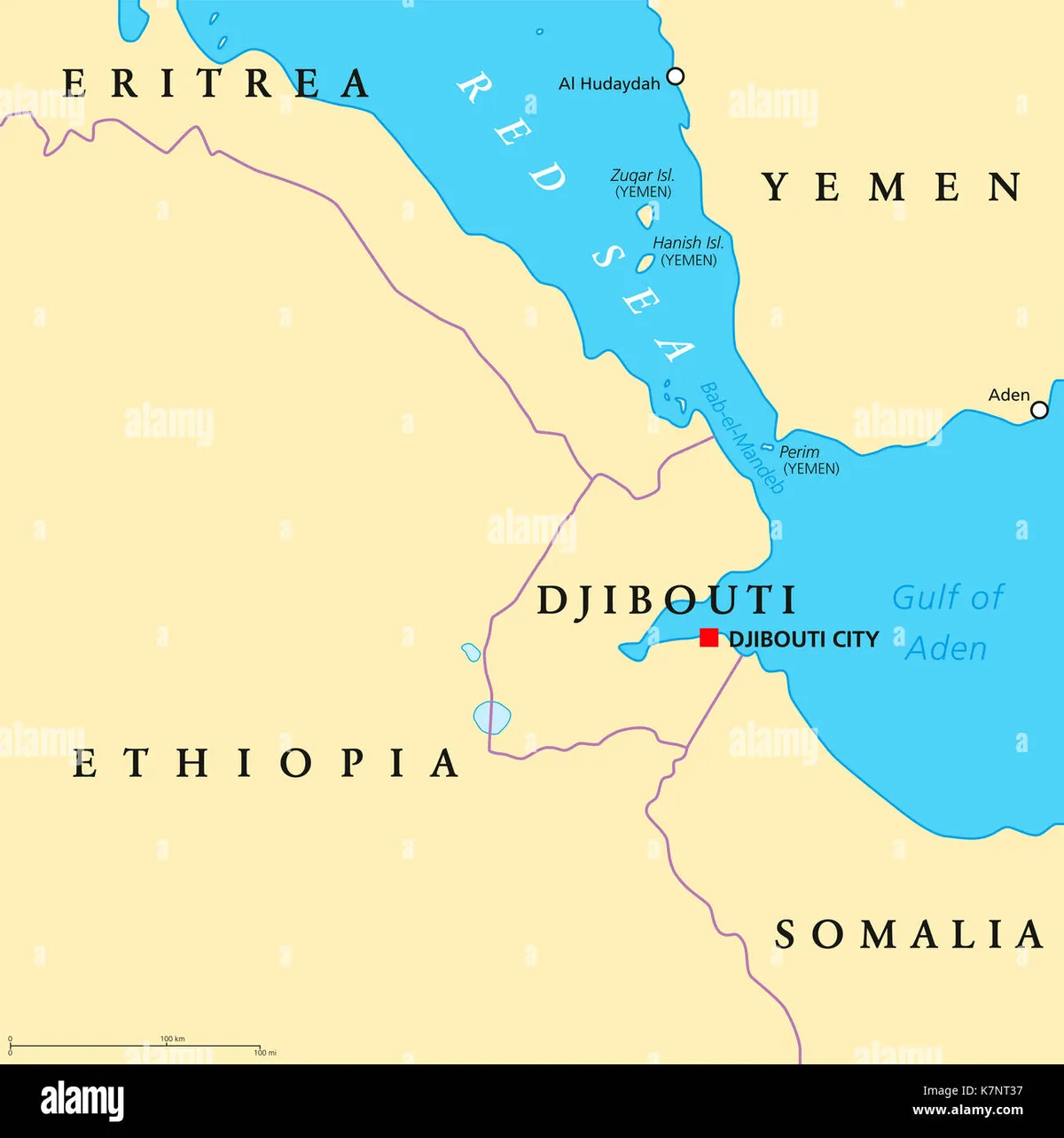
Located between the Horn of Africa and the Arabian Peninsula, the Bab el Mandeb Strait connects the Red Sea to the Gulf of Aden, serving as the gateway to the Suez Canal. Approximately 10% to 12% of the world’s maritime trade transits through this narrow passage, which is only 26 kilometers (16 miles) wide at its narrowest point.
Recent developments have escalated tensions in the region. Iran has threatened to block the strait amid rising hostilities, with the Islamic Revolutionary Guard Corps (IRGC) asserting their capability to create credible threats against it. An IRGC official stated, “If the enemy wants to take action… we will open other fronts for them as a surprise.”
The Houthis, a group based in Yemen, have pledged to assist Iran in controlling this strategic waterway. Their involvement raises concerns about the stability of maritime traffic, which is crucial for global oil supplies.
Currently, around 4 to 9 million barrels of oil transit the Bab el Mandeb daily, with cargo worth approximately $1 trillion passing through each year. This strait is often referred to as “Hormuz 2.0” due to its strategic importance, especially as it is located 1,200 miles off the Strait of Hormuz, another vital oil shipping route.
Historically, the Bab el Mandeb gained prominence after the Suez Canal opened in 1869, significantly increasing maritime traffic through the strait. Today, it remains one of the world’s most strategic straits, with its depth varying from 30 meters in the small channel to 310 meters in the large channel.
As tensions mount, the implications for global energy markets and maritime security are profound. The potential for conflict in this region could disrupt not only oil supplies but also the broader flow of goods essential for international trade.
Details remain unconfirmed regarding the exact nature of Iran’s plans and the Houthis’ involvement. However, the situation is evolving rapidly, and stakeholders around the world are closely monitoring developments.