








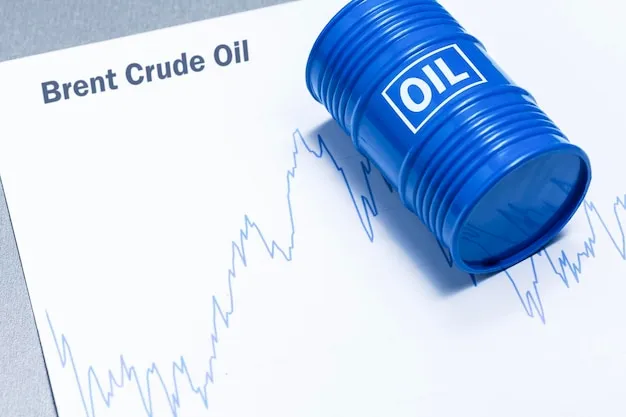
The US-Iran war has resulted in a physical chokepoint, taking offline part of the supply of oil and gas due to the closure of the Strait of Hormuz. Brent crude futures slumped 14.43% to hit an intraday low of $96 per barrel, while WTI crude futures tanked 14.25% to reach $84.23 per barrel.
Crude oil prices plunged over 14% after President Donald Trump announced a halt to military strikes on Iranian power plants. “I am pleased to report that the United States of America and the country of Iran have had, over the last two days, very good and productive conversations regarding a complete and total resolution of our hostilities in the Middle East,” Trump stated.
Despite the temporary halt, the situation remains precarious. The closure of the Strait of Hormuz, which handles about 20% of global oil and liquefied natural gas flows, has led to a significant reduction in supply. Flows through Hormuz collapsed from 20 million barrels per day to a trickle, prompting concerns from energy analysts.
Saudi Arabia has forecast that oil prices could hit $180 if the war drags on beyond April, while Qatar’s Energy Minister warned that Brent could reach $150. The International Energy Agency (IEA) assesses that the current episode is the largest supply disruption in the history of the global oil market.
As the conflict continues, Gulf production cuts of at least 10 million barrels per day are being implemented, further tightening the market. The longer the war continues and the longer the free transit through the strait remains disrupted, the longer the prices of oil and gas will remain high.
The US has been trying to reopen the Strait of Hormuz for energy shipments, but Iran had shut the strait in response to US and Israeli strikes. The situation remains fluid, and further developments are anticipated as negotiations continue.
Details remain unconfirmed.