








Reaction from the field
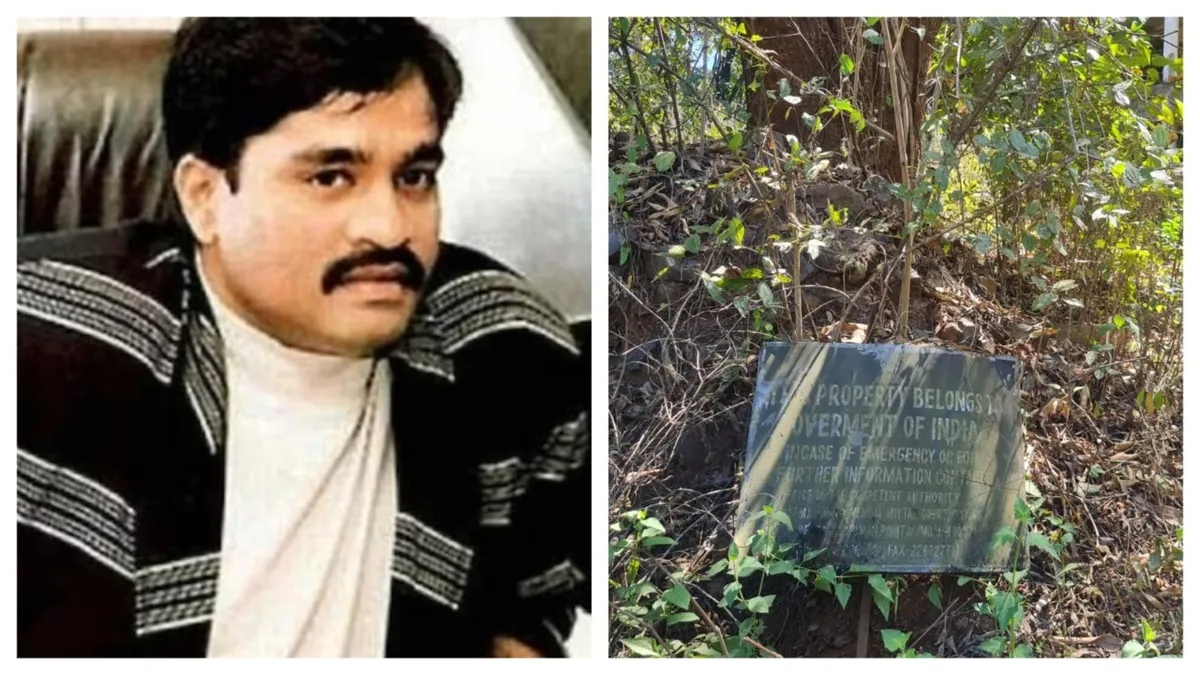
Dawood Ibrahim’s properties in Ratnagiri have finally been auctioned off after multiple failed attempts, a significant move in the ongoing battle against criminal enterprises in India. The auction took place on March 5, 2026, involving four agricultural plots registered in the name of Ibrahim’s mother, Amina Bi. This sale is viewed as a crucial step in the government’s broader effort to liquidate properties linked to criminal networks.
Two buyers emerged in the latest auction, with one securing a single plot and another acquiring three plots. The reserve price for one of the plots was set at 9 lakh, while the final sale price reached 10 lakh. In a previous auction in 2024, one of the plots was sold for 2.01 crore, indicating a fluctuating market for these controversial assets.
Dawood Ibrahim, a notorious figure, orchestrated the 1993 Mumbai serial blasts that killed over 250 people, cementing his status as a Specially Designated Global Terrorist by the US since 2003. His criminal empire, originally a gold smuggling and counterfeit currency racket, evolved into a narco-terror organization with ties to Al-Qaeda. The UN Security Council has multiple addresses for him in Karachi, further complicating efforts to track his movements.
The identities of the buyers in the auction remain undisclosed, leaving many questions unanswered. This lack of transparency raises concerns about the future of these properties and the potential for further criminal activity. Details remain unconfirmed regarding the buyers’ backgrounds and intentions.
In the wake of the auction, Ibrahim has resurfaced in the headlines, particularly with the release of Aditya Dhar’s film Dhurandhar 2, which implies his character as ‘Bade Sahab.’ This revival of interest in Ibrahim’s life and crimes has sparked renewed discussions about his legacy and the ongoing impact of his actions on Indian society.
Despite numerous reports of his death, Dawood Ibrahim’s status remains uncertain. His health and whereabouts are shrouded in mystery, with no official confirmation of his demise. This ambiguity continues to fuel speculation and intrigue surrounding one of India’s most wanted criminals.
As the government pushes forward with its campaign against criminal networks, the successful auction of Ibrahim’s properties signals a potential shift in the landscape of organized crime in India. However, the complexities of his international connections and the ongoing threat posed by his associates complicate the situation.
With the auction concluded, the focus now turns to the implications of this sale on the broader fight against terrorism and organized crime. The outcome of this auction may set a precedent for future actions against properties linked to criminal figures, but the path ahead remains fraught with challenges.