








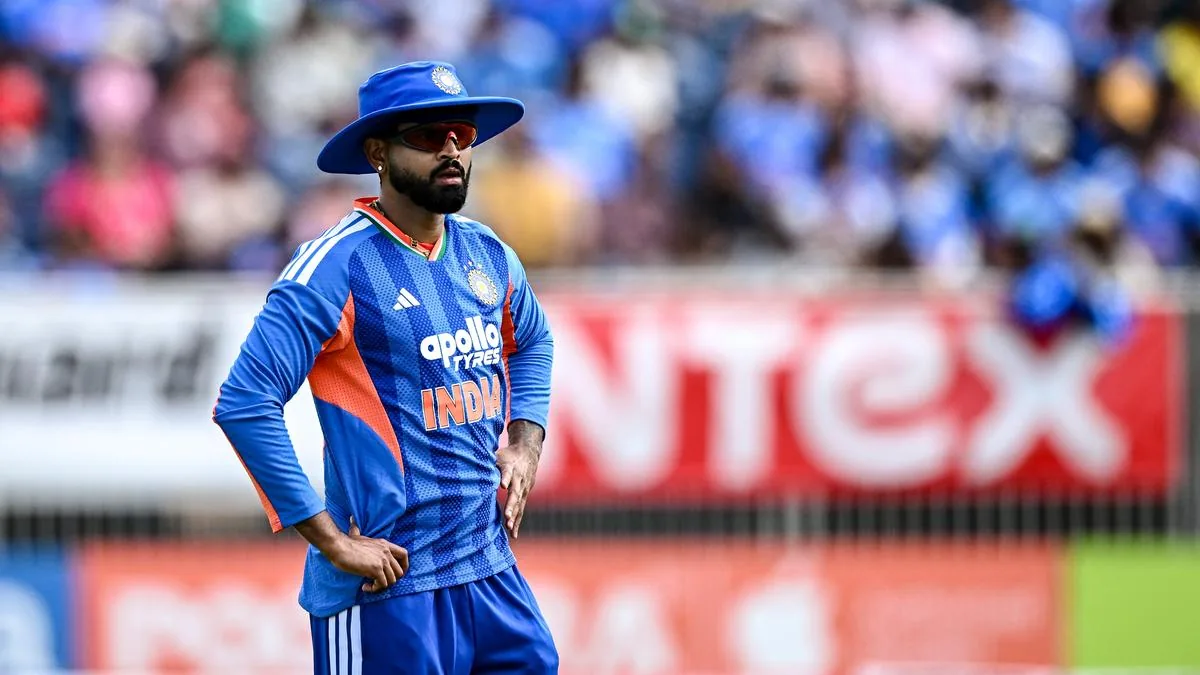
Following unexpected losses to Ireland, the Indian cricket team is grappling with how to integrate 15-year-old batting prodigy Vaibhav Sooryavanshi into the T20 squad for the upcoming series against England. The recent defeats have intensified discussions regarding the team’s selection process.
Legendary cricketer Sunil Gavaskar has strongly advocated for Sooryavanshi’s inclusion, particularly for the first T20 match against England. He suggested that the young talent could have been picked for both games against Ireland, with openers Abhishek Sharma and Sanju Samson rotated.
The Sooryavanshi Conundrum
The question of how to fit Sooryavanshi’s talent into the team has become more pressing. The team management, led by coach Gautam Gambhir, faces a challenge in finding a solution for the five-match T20 series in England, which begins on July 1. The pitches in England are anticipated to be flatter, based on past summer conditions.
Gavaskar emphasized the need to play Sooryavanshi from the first game in England. He stated that the team management should consider dropping out-of-form batters to accommodate the young player. Gavaskar suggested that Sooryavanshi could bat at number three, while keeping both openers, or be integrated in another way, but stressed his inclusion in the first match on July 1 to potentially surprise England.
The public has shown significant interest in Sooryavanshi, with queues forming hours before international games in anticipation of his debut. Despite this, the team management has maintained its adherence to established selection processes. However, the losses to Ireland are expected to prompt a review of these processes.
Reshaping the Batting Line-up
If the team management wishes to retain the opening pair of Samson and Abhishek, other batters, such as Ishan Kishan, might need to adjust their positions in the batting order. A potential new order could see Sooryavanshi at number three, followed by Kishan at four, Shreyas Iyer at five, Tilak Varma at six, Shivam Dube at seven, and Axar Patel at eight. This arrangement assumes that Suryansh Shedge would not play in the first game against England.
Flexibility would be key for batters from numbers five to eight, depending on the match situation and the need for a left-right batting combination. If Shivam Dube bats at number seven, he would likely be expected to bowl four overs regularly, as Abhishek is the only other top-order player who bowls part-time left-arm spin that is considered usable in international matches. Dube’s role as a sixth bowler in the T20 setup presents a challenge.
Indian batters, accustomed to playing on tracks that offer little assistance to bowlers, often rely on an aggressive approach. This can pose problems on pitches with more to offer, where a ‘plan B’ is needed if an all-out attack strategy fails. To include both Samson and Abhishek alongside Sooryavanshi, the team might need to sacrifice either Ishan Kishan or Tilak Varma to ensure a balance of five specialist bowlers and two all-rounders.
One proposed solution involves dropping Samson, despite its potential unpopularity. Samson scored 5 and a first-ball duck in the two games against Ireland, appearing out of sync in conditions that favored bowlers. Integrating Sooryavanshi without disrupting the bowling attack’s balance would require a conversation with Samson, as difficult decisions are often necessary for the team’s broader objectives.
The series loss to Ireland on June 28 has been described as one of the lowest points in Indian cricket history, attributed to overconfidence and casualness rather than exceptional play from the opposition. This series, despite the outcome, was seen as an ideal opportunity to introduce Sooryavanshi to international cricket. The hope is that he will be played in the first game against England in a few days’ time.
The Indian women’s team also experienced a challenging period, losing to Australia and then to South Africa due to poor fielding, which effectively eliminated them from their tournament. These events underscore the importance of learning from experiences, even steep ones, to avoid similar outcomes in the future.
The Indian men’s team will begin their five-match T20 series against England on July 1.
Read Also
Source: m.rediff.com