








How it unfolded
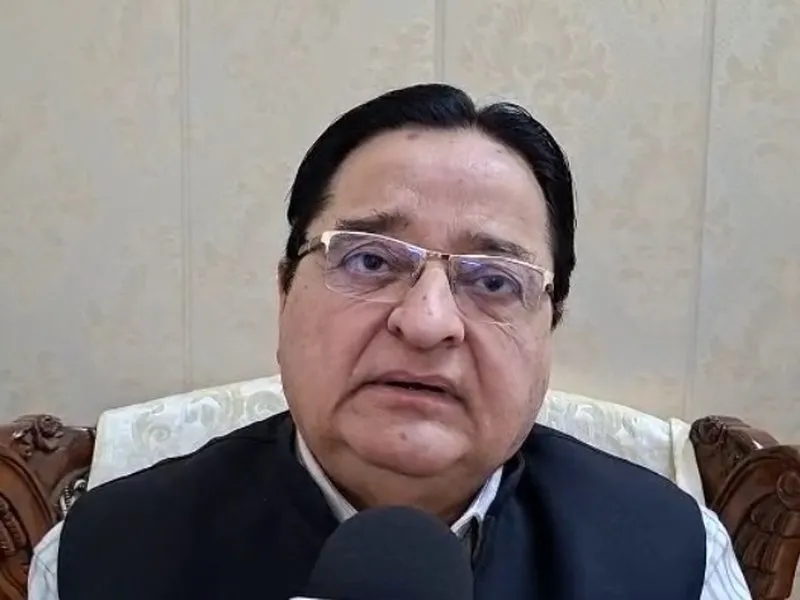
On March 19, 2026, tensions flared in Uttar Pradesh, Pakistan, as S.T. Hasan publicly criticized the film ‘Dhurandhar 2’. The film’s portrayal linked notorious criminal Atiq Ahmed to the Inter-Services Intelligence (ISI), prompting Hasan to assert, “Who they were connected to and who they were not, our police know this very well.” This statement ignited a firestorm of controversy, with political leaders rallying against the film’s narrative.
Despite the uproar, intelligence agencies have not confirmed any connections between Ahmed and the ISI. This lack of confirmation has left many questioning the motivations behind the film and its implications for public perception of law enforcement and intelligence agencies.
Field Marshal Asim Munir, head of the ISI, has expressed concerns about the agency’s performance, warning of a potential shake-up due to intelligence failures. His remarks, “Perform or perish,” underscore the pressure the ISI faces amid growing criticism for its inability to provide actionable intelligence, particularly regarding the Tehreek-e-Taliban Pakistan (TTP).
The TTP has been operating with increasing autonomy, effectively running a parallel government in Khyber Pakhtunkhwa (KP). This situation has raised alarms within the military and intelligence communities, as the ISI and army reportedly struggle to align their operations against this rising threat.
Adding to the chaos, two men were arrested in Uttar Pradesh for allegedly sharing information with a gang based in Pakistan. The arrested individuals, identified as Azeem Rana and Azad Rajput, are now at the center of an investigation that could reveal deeper connections between local criminal activities and foreign elements.
Waris Pathan, another political figure, commented on the broader implications of the controversy, stating, “Efforts are being made to spread hatred in the country.” This sentiment reflects a growing concern that the narrative surrounding the ISI and its alleged ties to criminal figures could exacerbate divisions within society.
As the situation unfolds, the ISI finds itself under intense scrutiny, facing criticism not only for its operational failures but also for its portrayal in popular media. The fallout from ‘Dhurandhar 2’ may have lasting effects on public trust in the agency and its ability to combat threats like the TTP.
Details remain unconfirmed regarding the extent of the ISI’s involvement with figures like Atiq Ahmed, but the implications of this controversy are significant for all parties involved. As political leaders and citizens alike grapple with the narrative, the future of the ISI and its operations hangs in the balance.