








“I am confident that their spirit of patriotism will continue to inspire everyone to move forward on the path of national service with dedication and loyalty,”
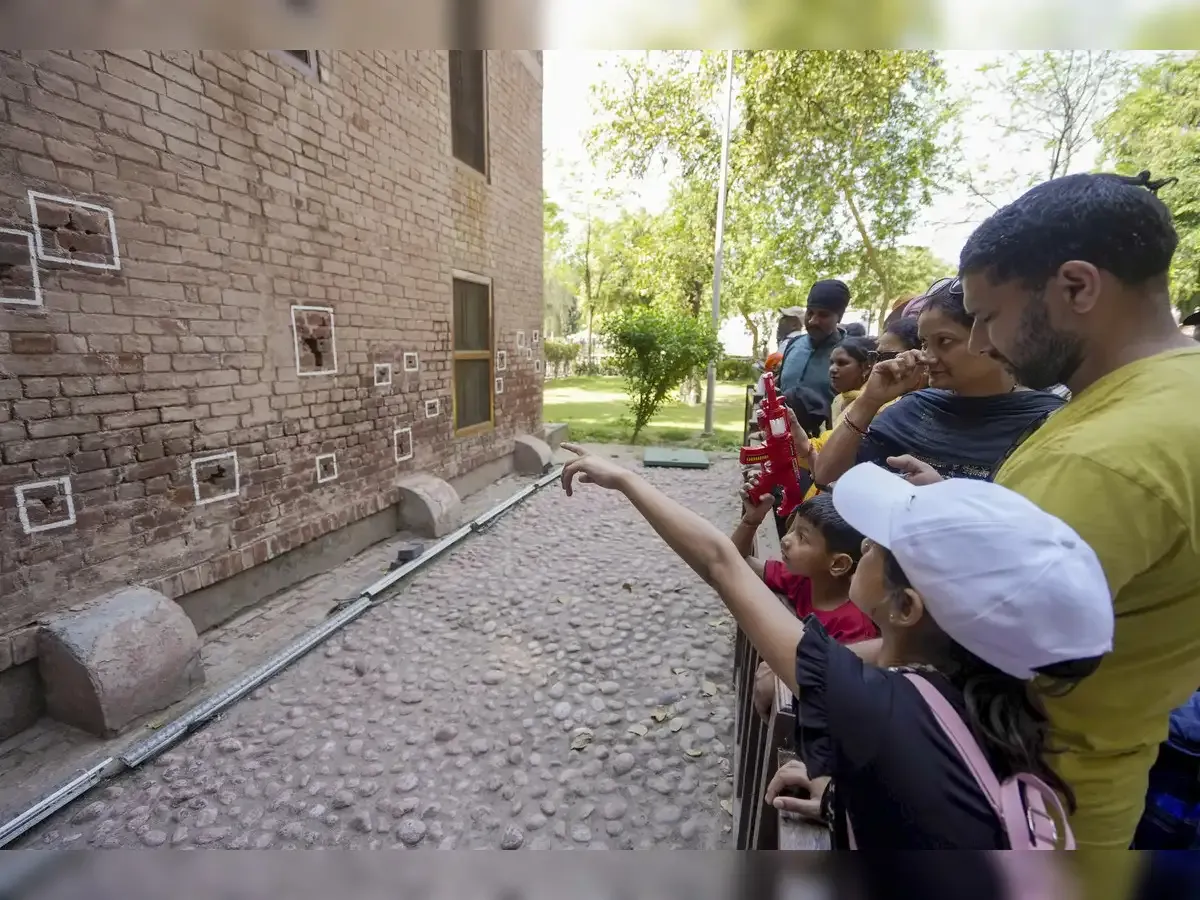
This tragic event, which unfolded on April 13, 1919, in Amritsar, India, saw Colonel Reginald Dyer order the firing on unarmed civilians, resulting in a staggering 1650 rounds being fired in just 10 minutes.
The massacre claimed the lives of at least 379 people, according to British records, while the Deputy Commissioner’s Office of Amritsar lists 484 martyrs. The Jallianwala Bagh itself commemorates 388 individuals who lost their lives that fateful day.
The backdrop of this atrocity was the Rowlatt Act, enacted by the British government in March 1919, which allowed for the imprisonment of Indians without trial. This draconian law sparked widespread protests, culminating in the horrific events at Jallianwala Bagh.
Gurudev Rabindranath Tagore famously returned his knighthood in protest against the massacre, a testament to the outrage felt across the nation.
As President Murmu stated, “Nation will always remain grateful to them,” the memory of the Jallianwala Bagh martyrs continues to resonate, symbolizing courage and resistance in India’s ongoing struggle for freedom.
The Jallianwala Bagh massacre marked a turning point in India’s freedom struggle, igniting a fervor that would ultimately lead to independence. The spirit of those who perished that day remains a source of inspiration for generations.
Tributes and memorials continue to honor the sacrifices made, ensuring that the lessons of this dark chapter in history are never forgotten. As the nation reflects on this tragedy, the call for justice and remembrance echoes through time.