








The violence in Malda, West Bengal, erupted over protests related to the deletion of names in the Special Intensive Revision (SIR) exercise of electoral rolls. This unrest has now escalated, resulting in the arrest of 35 individuals, including Moffakkerul Islam, a former candidate of the All India Majlis-e-Ittehadul Muslimeen (AIMIM).
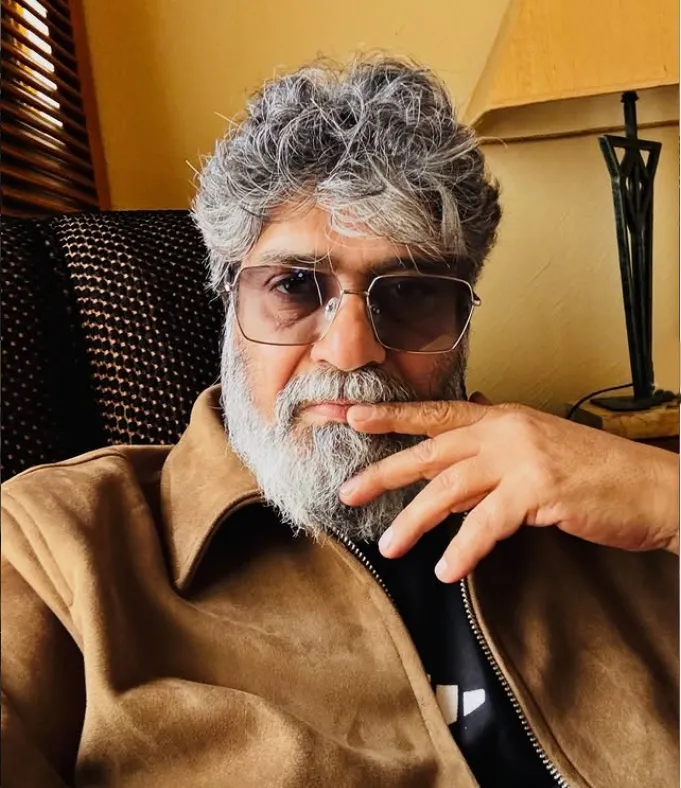
Islam was apprehended by West Bengal Police for his involvement in the chaos, which saw seven judicial officers held hostage for over nine hours. The police had to intervene to rescue these officials after they were gheraoed, highlighting the severity of the situation.
The National Investigation Agency (NIA) has dispatched a 24-member team to probe the siege of the judicial officers, following a request from the Election Commission. This move underscores the gravity of the incident and the need for a thorough investigation.
In a pointed criticism, the Supreme Court condemned the West Bengal administration for its inaction during the hostage crisis, labeling the gheraoing of judicial officers as a “brazen attempt” to intimidate them and a direct challenge to the authority of the court.
West Bengal Chief Minister Mamata Banerjee weighed in on the matter, accusing the Bharatiya Janata Party (BJP) of orchestrating the unrest. “The BJP loaned him (the accused) from the AIMIM and brought him here,” she stated, reflecting the political tensions surrounding the incident.
As the investigation unfolds, observers are keenly watching how the NIA will address the complexities of the case and what further actions might be taken against those involved in the violence. The situation remains fluid, with potential implications for the political landscape in West Bengal.
Details remain unconfirmed as authorities continue to navigate the aftermath of this violent episode in Malda.