









Who is involved
The Nikkei 225 index has been under significant pressure, reflecting a broader trend of economic uncertainty in Japan. Before today’s downturn, expectations were already low, with analysts warning of potential declines due to geopolitical tensions and rising energy prices. However, the reality hit harder than anticipated.
Today, the Nikkei 225 index dropped a staggering 3.48%, marking a significant moment in the ongoing market struggle. Over the past month, the index has fallen 9.34%, indicating a troubling trend for investors. The advance-decline ratio across the market is a stark 0.07, with only 8 out of 176 large-cap stocks managing to advance today.
Among the few companies that saw gains, Daiichi Sankyo Co., Ltd. rose by 2.0% and Kadokawa Corp. increased by 8.32%. In contrast, Renesas Electronics Corp. experienced a significant drop of 9.16%, while Mitsubishi Materials Corp. fell 9.35%. The most severe losses were seen in Japan Display, Inc., which suffered a staggering 31.58% loss.
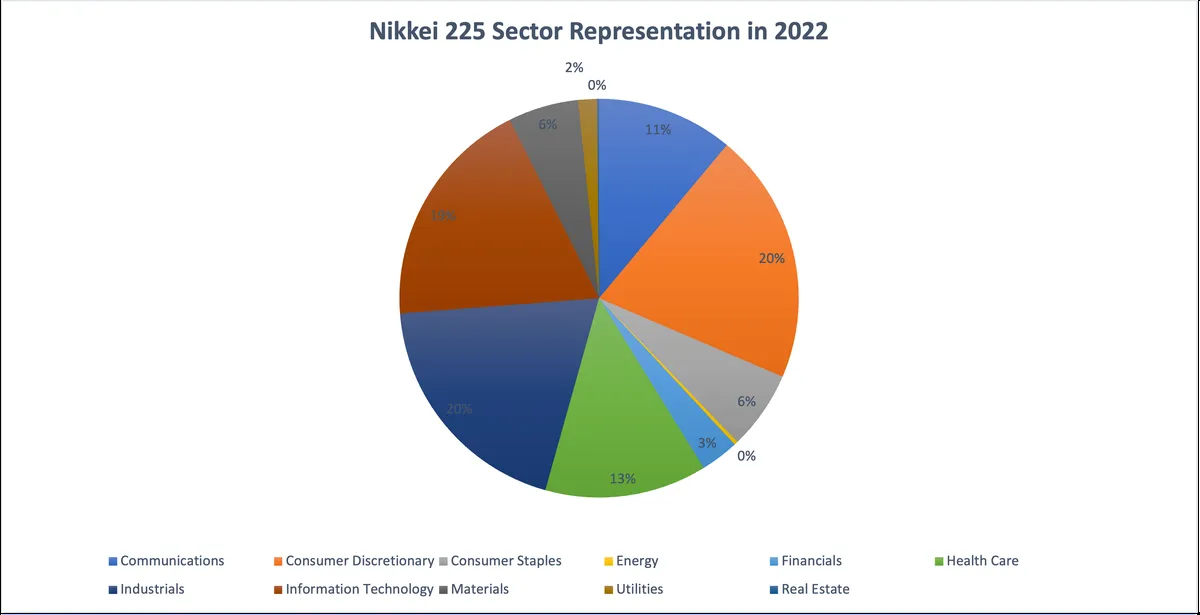
Experts are weighing in on the implications of these shifts. “The Japanese stock market is under significant strain,” one analyst noted, highlighting the challenges facing investors. The most significant price decreases have occurred in the electricity and gas sectors, further exacerbating the situation.
As inflation rates also show signs of easing, with headline inflation decelerating from 1.5% to 1.3% and core inflation dropping from 2% to 1.6%, the market’s reaction remains unpredictable. The current contraction persists, with short-term support established at 48,500.
Market analysts warn that a breach of the 40,000 zone could significantly heighten the probability of a deeper market correction. The exact impact of rising energy prices on the Nikkei 225 is unclear, leaving investors in a precarious position.
Details remain unconfirmed regarding the future trajectory of the Nikkei 225 index amid these challenging market conditions. As the situation develops, all eyes will be on how these economic factors continue to influence the Japanese stock market.