








Who is involved
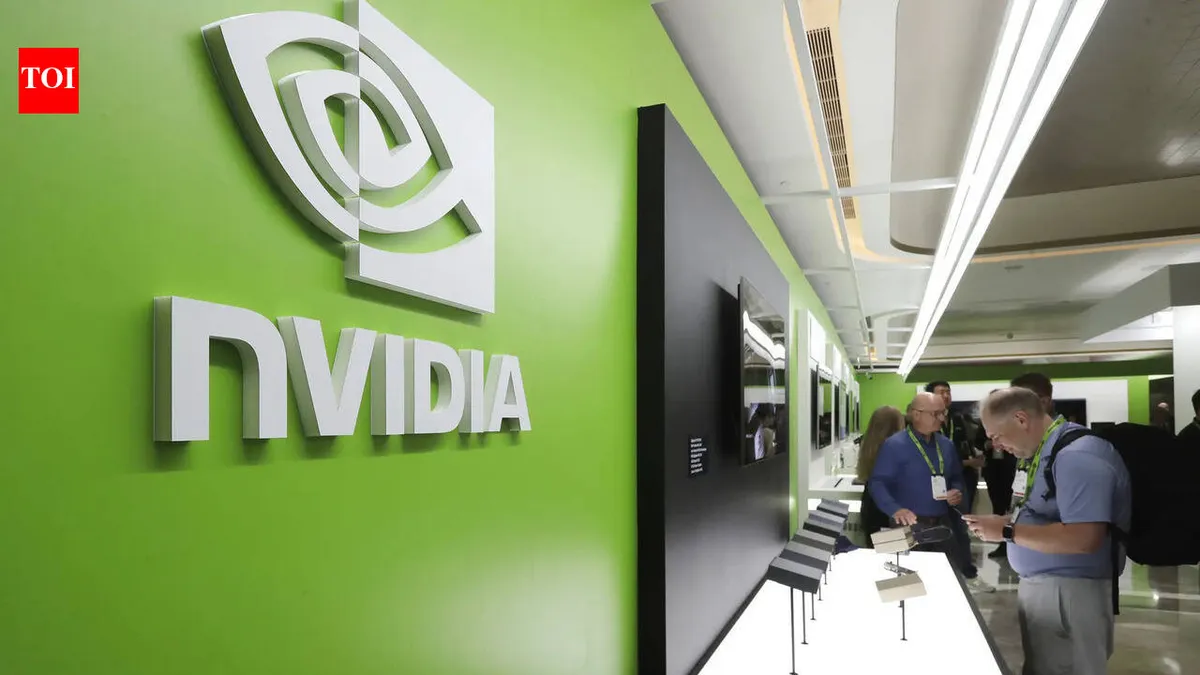
Before Jensen Huang’s recent messages, Nvidia’s presence in Israel was largely seen as a success story of technological expansion. With 6,000 employees and their families in the region, Nvidia had established itself as a key player in the local tech landscape, especially after acquiring Mellanox in 2019 for $6.9 billion. The company was poised to further its influence with plans for a new campus in Kiryat Tivon, expected to employ up to 10,000 workers by 2025.
However, the ongoing US-Israel war has shifted the narrative. Huang took a decisive step by sending a personal message to his employees in Israel during the Nvidia GTC conference, expressing deep concern for their safety. “We have thousands of families in Israel. I’m very worried about all of you. Keep yourself safe. We are behind you, we are supporting you, and we look forward to seeing you,” he stated, highlighting the human element behind corporate operations.
The immediate effects of Huang’s outreach were palpable. Employees felt a renewed sense of support from their leadership during a tumultuous time. Huang praised the dedication of Israeli employees, noting, “Our team in Israel is incredible,” reinforcing the bond between the company and its workforce. This connection is crucial as Nvidia navigates the complexities of operating in a conflict zone.
In addition to addressing employee safety, Huang also discussed Nvidia’s advancements in artificial general intelligence (AGI). He boldly claimed, “I think it’s now. I think we’ve achieved AGI,” suggesting a significant leap in technology that could redefine the industry. His confidence in AI clearing the bar for AGI within five years adds a layer of optimism amid uncertainty.
Experts in the field are weighing in on Huang’s claims about AGI. While some share his enthusiasm, others urge caution, emphasizing that the definition of AGI remains a topic of debate. Huang’s interpretation may be narrow, but it reflects Nvidia’s ambition to lead in AI development.
As Nvidia continues to expand its presence in Israel, the company is faced with the dual challenge of ensuring employee safety while pushing the boundaries of technology. The new campus in Kiryat Tivon is a testament to Nvidia’s commitment to the region, but the ongoing conflict raises questions about the feasibility of such plans.
Details remain unconfirmed regarding Huang’s planned visit to Israel in 2026, as the situation remains fluid. The timeline for when AI will clear the bar for AGI also remains uncertain, leaving many in the tech community eager for clarity.
In summary, Jensen Huang’s recent communications reflect a pivotal moment for Nvidia, balancing employee welfare with ambitious technological goals. As the company navigates these challenges, the eyes of the tech world remain focused on its next moves.