








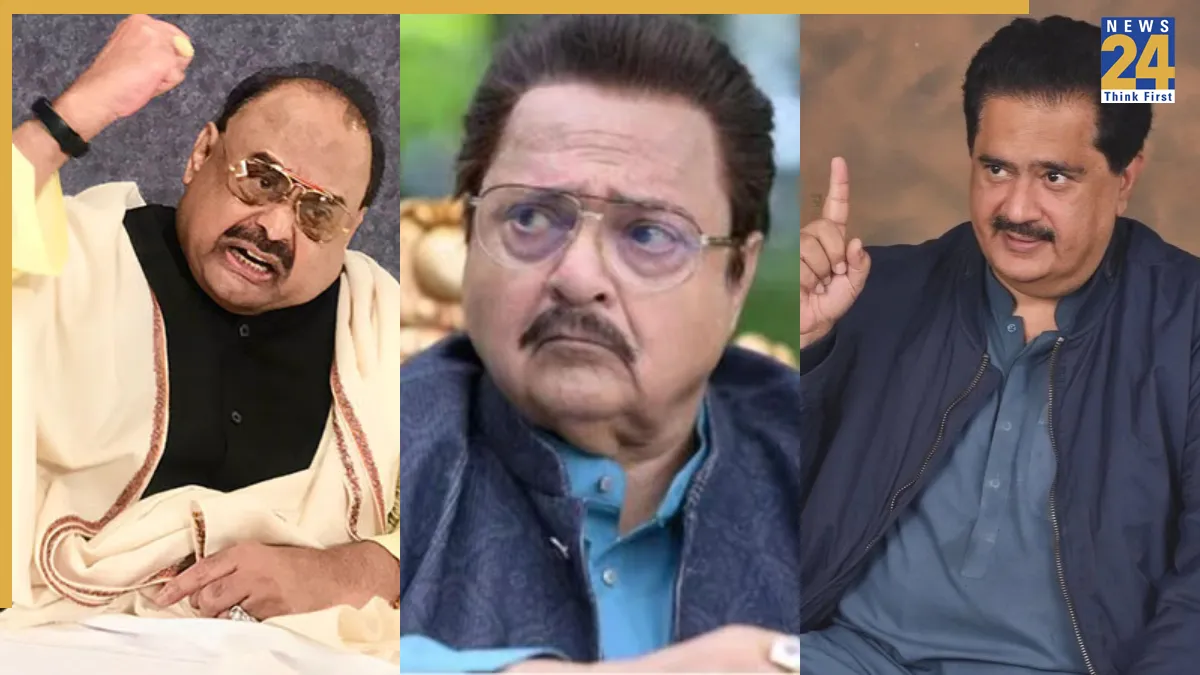
Nabil Gabol, a veteran Pakistani politician and tribal chief from Lyari, Karachi, has raised alarms over his depiction in the film Dhurandhar: The Revenge. Gabol, who currently serves as a Member of the National Assembly representing the Pakistan Peoples Party (PPP), stated that the film misrepresents him.
At 63 years old, Gabol has had a long political career, including multiple terms in the National Assembly from 2002 to 2015 and again from 2024 to present. He previously served as the Minister of State for Ports and Shipping from 2008 to 2011 and was the youngest Deputy Speaker of the Sindh Assembly from 1993 to 1996.
In a recent statement, Gabol expressed his dissatisfaction, saying, “It’s not me. Don’t believe whatever is depicted in the film. It’s a crooked attempt by Indian filmmakers to deliberately distort and malign my character. But that’s not me.” His concerns stem from the character Jameel Jamali, which is loosely inspired by him.
Gabol fears that viewers might confuse the fictional portrayal with reality, potentially labeling him as an Indian spy. This has sparked a wave of online trolling, particularly regarding his differing views on the character’s portrayal in the sequel compared to the first part.
Previously, Gabol acknowledged the character’s inspiration during the release of Dhurandhar Part 1, but his recent comments indicate a shift in his stance. The backlash he faces online reflects the sensitive nature of political representation in media.
As the film continues to draw attention, Gabol’s statements highlight the ongoing tension between political figures and their portrayals in popular culture. His call for clarity serves as a reminder of the impact media can have on public perception.
Details remain unconfirmed regarding any potential legal actions Gabol might pursue against the filmmakers. The controversy surrounding his character’s portrayal raises questions about artistic freedom versus responsible representation.