









How it unfolded
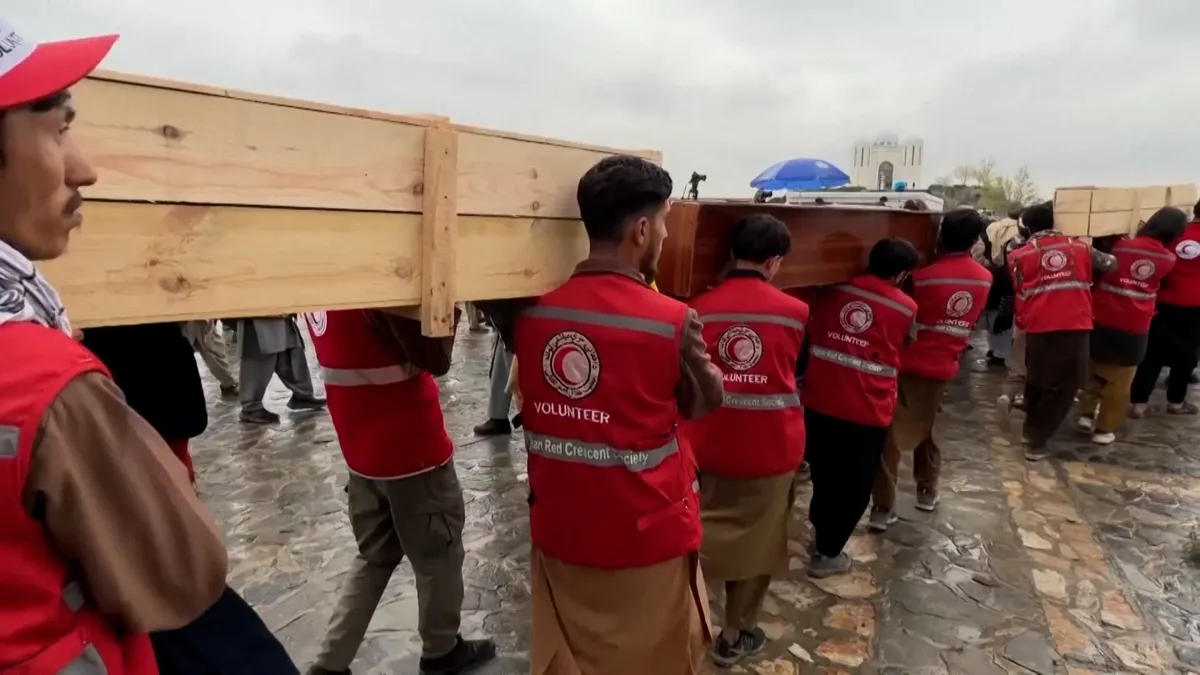
On a fateful day in Kabul, a Pakistani air strike targeted a drug rehabilitation centre, resulting in the tragic deaths of 143 people. This incident marks a significant escalation in the already fraught relations between Pakistan and Afghanistan, raising alarms across the region.
In the wake of this air strike, tensions have surged not only between Pakistan and Afghanistan but also with neighboring countries. Just days before the strike, an Indian Air Force civilian employee was arrested on charges of spying for Pakistani handlers. This arrest has further complicated the already delicate balance of power in South Asia.
The accused had reportedly been in contact with Pakistani intelligence operatives since early 2023, indicating a long-standing espionage effort that could have far-reaching implications for India-Pakistan relations. The timing of these events suggests a coordinated effort by Pakistan to assert its influence in the region amid rising tensions.
Pakistan’s strategic alliances also play a crucial role in this unfolding drama. The country has maintained a long-standing relationship with Saudi Arabia, bolstered by a Strategic Mutual Defence Agreement. This partnership has seen Pakistan provide military support to Saudi Arabia for decades, with trade volume between the two nations nearing US$5 billion.
Additionally, Pakistan’s economic ties with Iran are significant, with bilateral trade standing at roughly US$3 billion. These relationships are vital for Pakistan, especially as it navigates complex geopolitical challenges in a region marked by conflict and instability.
Pakistan’s internal demographics add another layer to this situation. Approximately 20 percent of its population identifies as Shia, a factor that influences its foreign policy and regional alliances, particularly with Iran. The country has recently negotiated with Iran to ensure safe passage for fuel shipments through the Strait of Hormuz, highlighting its reliance on regional cooperation.
As of now, the situation remains tense, with diplomatic channels likely strained. The air strike in Kabul has not only resulted in a humanitarian crisis but has also exacerbated existing conflicts and suspicions among neighboring countries. Details remain unconfirmed regarding the full impact of these events on regional stability.
This sequence of events matters significantly for those involved, as it underscores the fragile nature of peace in South Asia. The loss of life in Kabul is a stark reminder of the ongoing violence that plagues the region, while the espionage case involving India reveals the deep-seated mistrust that continues to define relations between these nuclear-armed neighbors.