








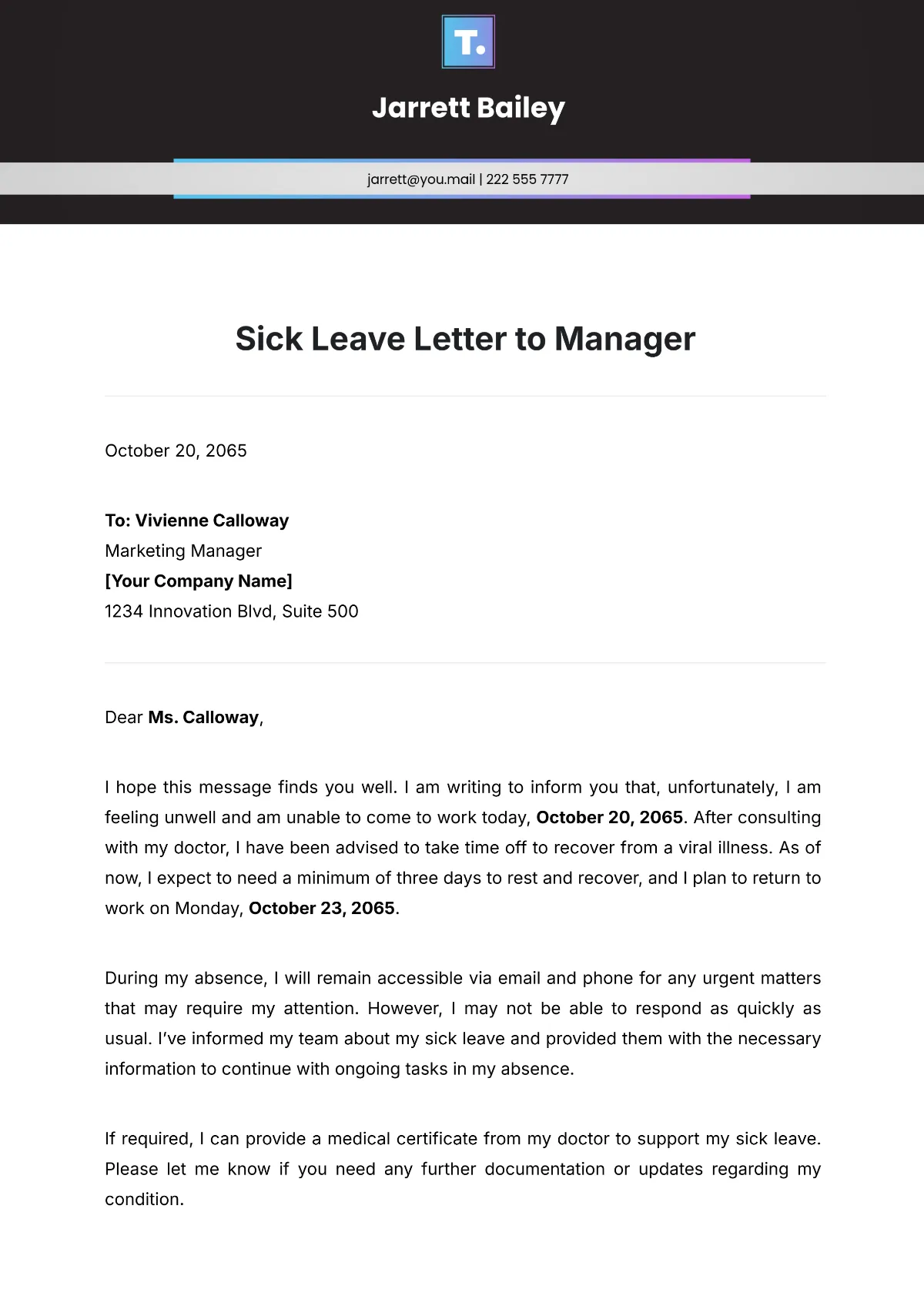
In India, single-day sick leaves are often treated with suspicion, even for common illnesses like fever or migraines. This cultural norm came to the forefront when a corporate employee’s request for a day of sick leave was denied by his manager after he developed a fever. The manager asserted that sick leave could only be granted if the employee was hospitalised for three days with proof.
After the denial, the employee sought medical attention and obtained a doctor’s certificate recommending two days of rest. Armed with this documentation, he applied for sick leave through the HR portal, which was subsequently approved. However, the manager refused to accept the HR-approved sick leave, demanding to see the prescription instead.
The incident quickly gained traction online, with Reddit users reacting strongly to the manager’s behavior. One user remarked, “Choose health over donkeys. If sick leave is policy-backed and HR-approved, your manager has no business gatekeeping it.” This sentiment resonated with many, highlighting the frustrations employees face in toxic workplace environments.
Such situations are not isolated. In India, the stigma surrounding sick leave can deter employees from taking necessary time off, leading to potential health risks. Moreover, the issue of sick leave verification and monitoring is a hot topic globally, as seen in Spain, where public debate has intensified around how sick leave is managed.
As extreme heat continues to affect working conditions, particularly in India, the implications of denying sick leave become even more critical. In 2023 alone, extreme heat cost India an estimated 181 billion potential labour hours, translating into income losses of about Rs 13 lakh crore (approximately $141 billion). By 2030, India is projected to lose about 5.8% of working hours due to heat stress, up from 4.3% in 1995.
Experts like Shobha Devi, a local worker, expressed concern about the ongoing heat, stating, “This heat is nothing. May is the worst.” Meanwhile, Shalini Sinha, a health advocate, pointed out, “Most heat action plans don’t give any suggestions, even for outdoor workers,” emphasizing the need for better policies to protect employees.
As this situation unfolds, observers are calling for a reevaluation of sick leave policies to ensure they prioritize employee health and well-being. The need for a cultural shift in how sick leave is perceived and granted is more pressing than ever, especially in the face of increasing environmental challenges.