









Who is involved
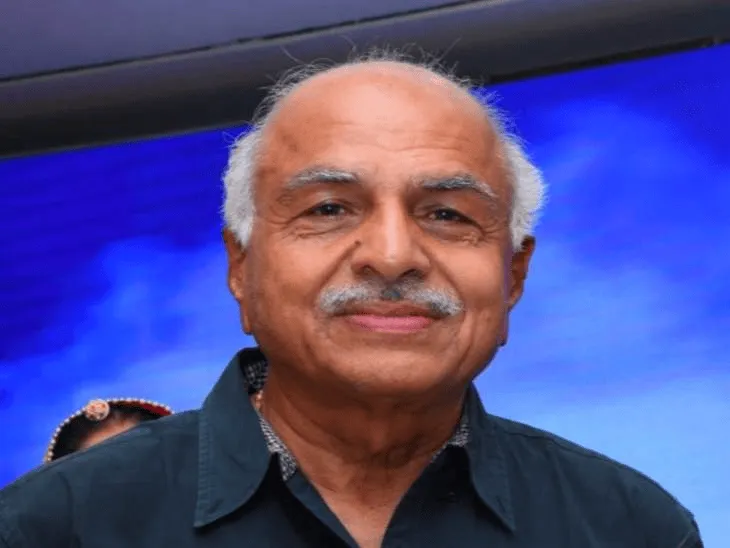
Suresh Gopi, a prominent figure in Kerala politics, was once celebrated as the first-ever BJP MP from the state after his victory in the 2024 Lok Sabha elections. His election was seen as a watershed moment for the BJP, breaking a long-standing pattern of UDF and LDF dominance in the region. However, as the assembly elections approach on April 9, 2026, the dynamics have shifted dramatically.
Before this development, Gopi was expected to play a crucial role in the BJP’s campaign strategy. His celebrity status and previous electoral success created high hopes among party workers and constituents alike. Yet, his recent actions have raised eyebrows. Gopi has made only four public appearances during the current assembly election campaign, leading to concerns about his influence and commitment.
The decisive moment came when the Kerala High Court dismissed an interim application filed by Gopi regarding an election petition against him. This legal setback, combined with his limited visibility, has contributed to a growing disillusionment among party workers. “That euphoria which was seen during the Lok Sabha elections is no longer there,” remarked a BJP functionary, highlighting the stark contrast to the previous electoral enthusiasm.
As Gopi steps back, Padmaja Venugopal, a BJP candidate contesting from Thrissur, has taken center stage. Venugopal, the daughter of former Kerala Chief Minister K. Karunakaran, is attempting to leverage Gopi’s name while establishing her own political identity. “Suresh Gopi factor will work in my favour in Thrissur,” she stated, indicating her reliance on his legacy even as he recedes from the spotlight.
Gopi’s absence has not only affected his personal brand but has also raised questions about the BJP’s strategy in Thrissur. The party is now focusing on individual strengths and development works under the Modi government, attempting to break the traditional voting pattern that has historically alternated between UDF and LDF. With 13 assembly constituencies in Thrissur district, the stakes are high.
Despite allocating Rs 6.9 crore for development works out of an allocated Rs 9.8 crore since becoming an MP, Gopi’s public behavior has led to discontent among some constituents. “He is a film star and not a politician,” another BJP functionary remarked, emphasizing the disconnect between Gopi’s celebrity status and the expectations of political engagement.
The electoral landscape in Thrissur is further complicated by demographic factors, with significant populations of Nairs, Ezhavas, and Christians influencing voter preferences. Gopi’s previous victory was attributed to a mix of demographics and anti-incumbency sentiments against the UDF. However, with the upcoming elections, the BJP’s reliance on Gopi’s past success may not suffice.
As the assembly elections draw near, the BJP faces the challenge of rallying support without Gopi’s active involvement. The party’s ability to navigate this shift will be crucial in determining its future in Kerala politics. Details remain unconfirmed regarding how this absence will ultimately impact the election outcome, but the signs of a changing political landscape are evident.