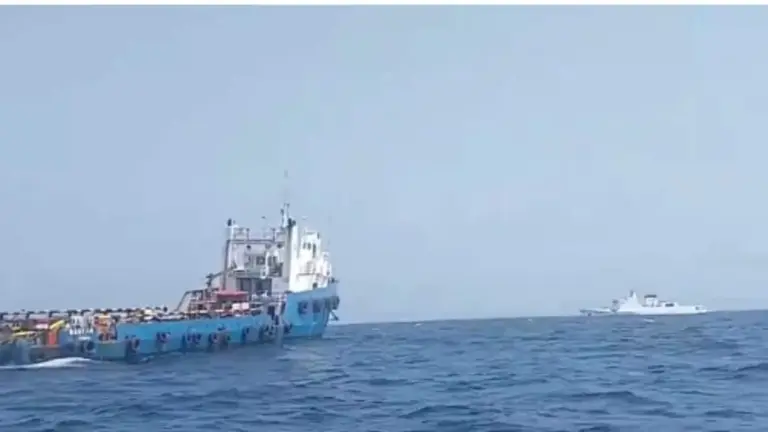










What does the recent attack on a Thai-flagged vessel in the Strait of Hormuz mean for Thailand? Tragically, it means the loss of three lives. The Thai government has confirmed these deaths, highlighting the ongoing risks in this critical maritime region.
On April 8, 2026, the vessel was attacked, prompting a swift response from the Omani navy, which managed to rescue 20 crew members. This incident underscores the volatile nature of maritime security in the Strait of Hormuz, a vital passage for global oil shipments.
Thailand’s relationship with India has been on the rise, especially since the two nations elevated their ties to a ‘strategic partnership’ in April 2025. This partnership is particularly significant as Thailand ranks second after India in semiconductor manufacturing among emerging economies. The Thai semiconductor market is projected to mobilize over 2.5 trillion baht (approximately US$81 billion) in investments by 2050.
In a broader context, Thailand’s historical ties with India date back over two millennia, characterized by rich cultural and commercial exchanges. This deep-rooted connection is reflected in the increasing collaboration in technology and trade.
As Thailand aims to become a technology-owning chip producer, it has unveiled a draft National Semiconductor Roadmap 2050. This ambitious plan positions Thailand as a key player in the global semiconductor landscape, especially as India’s semiconductor market is estimated to reach about US$50 billion in 2024-25.
However, the recent maritime tragedy casts a shadow over these advancements. Sihasak Phuangketkeow, a spokesperson for the Thai government, stated, “The three crewmen on the Thai-flagged vessel that was attacked in the Strait of Hormuz last month have died.” This incident raises urgent questions about the safety of Thai nationals and vessels operating in high-risk areas.
Thailand shares its longest land border with Myanmar, a nation that has faced its own challenges in recent years. The geopolitical dynamics in the region are complex, and incidents like this highlight the interconnectedness of security and economic interests.
As the situation develops, details remain unconfirmed regarding the full implications of this attack on Thailand’s maritime policies and international relations. The nation will need to navigate these turbulent waters carefully to protect its interests and citizens.