


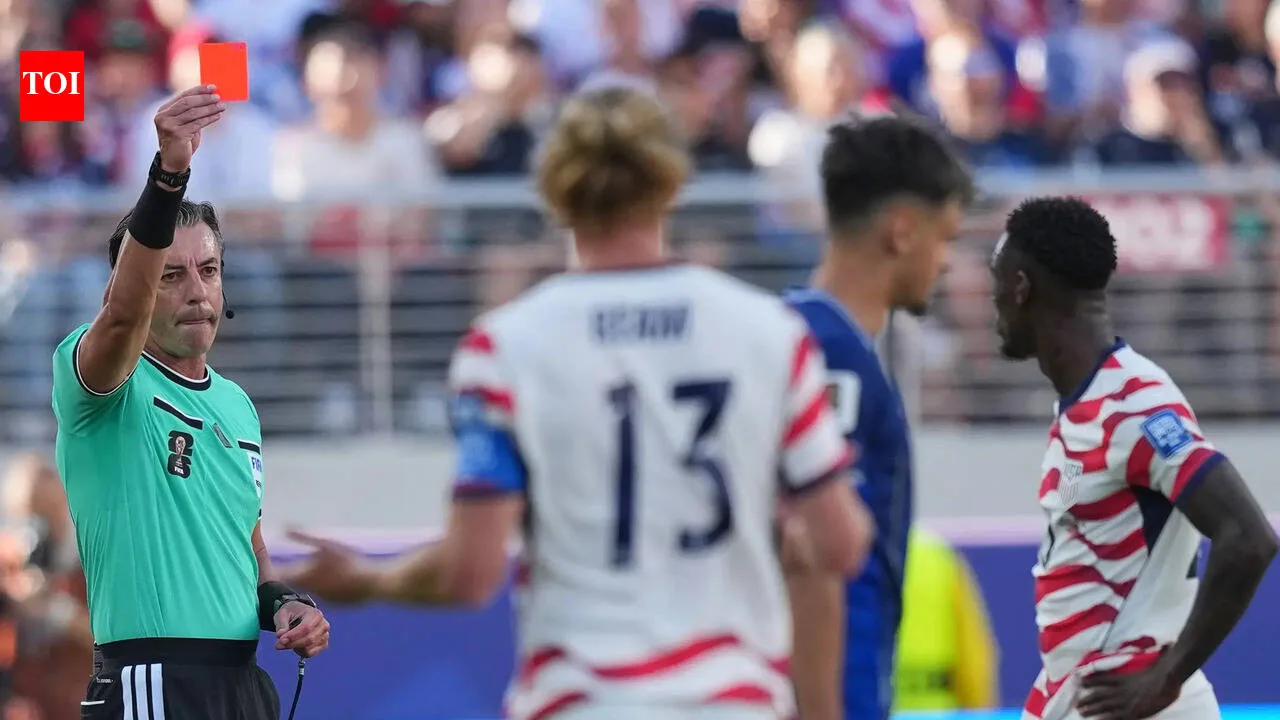
Controversy over disciplinary decisions
England coach Thomas Tuchel has expressed confusion regarding the disciplinary process at the World Cup, following a decision by FIFA not to ban United States striker Folarin Balogun. Balogun, who received a red card during a match against Bosnia-Herzegovina, was expected to be suspended for the subsequent last-16 tie against Belgium. However, FIFA opted against enforcing an immediate suspension, making Balogun available to play.
This decision reportedly came after US President Donald Trump contacted FIFA President Gianni Infantino to discuss the suspension. President Trump later thanked FIFA for what he described as “reversing a great injustice.”
Former FIFA president Sepp Blatter criticized the decision on social media, stating that “football must never become a playground for political power.” Blatter, who was replaced by Infantino in 2016, has frequently voiced concerns about decisions made during Infantino’s presidency.
The situation has drawn comparisons to a past incident involving Garrincha in the 1962 World Cup, where a disciplinary committee decided against an additional suspension after his red card. While that event occurred before automatic one-match suspensions were standard, the recent decision regarding Balogun is considered unprecedented in the World Cup since the introduction of automatic bans for red cards.
Tuchel questions consistency and VAR
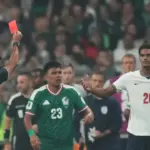
Tuchel’s comments came after Jarell Quansah was sent off in England’s 3-2 victory over Mexico. When asked if he would appeal Quansah’s ban, Tuchel questioned the consistency of FIFA’s decisions. “Where does this start and where does this end now?” Tuchel asked, adding, “Can we overturn it or not overturn it? What’s going on?”
Both Balogun and Quansah were sent off following a Video Assistant Referee (VAR) review. Quansah, a Bayer Leverkusen defender, received his red card in the 54th minute for a sliding challenge that caught Mexico’s Jesus Gallardo high on the shin. Balogun’s red card was for his foot landing on the ankle of Bosnia’s Tarik Muharemovic, causing it to buckle.
Apart from Balogun, the other players who have received red cards at the 2026 World Cup have served a suspension for their country’s next match. FIFA enacted a clause in its disciplinary code that allows it to “fully or partially suspend the implementation of a disciplinary measure.” This action appears to contradict tournament regulations, which state that a red card automatically results in suspension from the team’s subsequent match.
Tuchel believes this intervention has created uncertainty regarding the rules. He argued that Balogun’s initial red card was not justified, but acknowledged that VAR and the referee had made the decision. “Who overturns this decision and when and on what grounds? And how far does this go now? It’s just strange for me. We just want to have consistency in the decisions,” Tuchel stated.
The England coach also highlighted the VAR process in his defense of Quansah. He noted that the challenge was not initially called a foul by the referee, suggesting that VAR’s involvement led to the decision. “You cannot take decisions on a still in a football match. It’s just not possible,” Tuchel remarked, expressing disappointment over the setback for Quansah.
US head coach Mauricio Pochettino welcomed FIFA’s ruling, maintaining that Balogun’s original dismissal was unfair. Conversely, Belgium head coach Rudi Garcia expressed anger, stating he was unaware that April Fools’ Day falls in July, and the Belgian federation is reportedly reviewing its legal options.
Norway head coach Ståle Solbakken also criticized FIFA’s decision, calling it a “bad, bad, bad, bad, bad decision” and expressing sympathy for the United States, suggesting that any victory would be tainted. President Trump welcomed the news of Balogun’s reprieve on social media, thanking FIFA for reversing what he called a “grave injustice.”
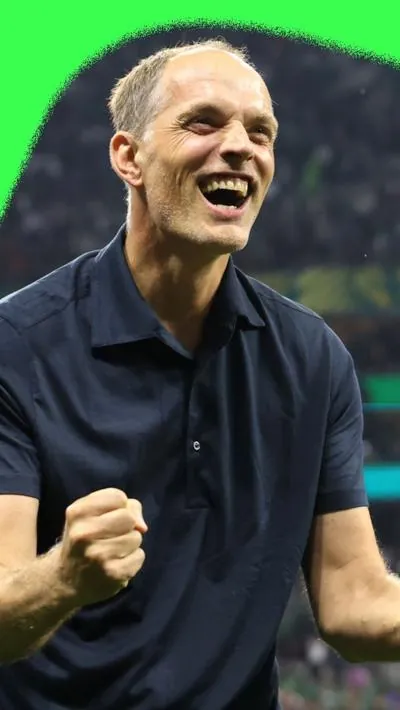
Reactions and implications
The decision to lift Balogun’s suspension has generated mixed reactions, with many US fans expressing satisfaction, while others, including the Belgian team, have voiced outrage. FIFA has pointed to a bylaw allowing such decisions, though it has not offered further insight into the specific reasoning. The organization also maintained that its disciplinary process is not influenced by external interventions, despite reports of President Trump’s calls to President Infantino.
Blatter’s comments on X further questioned the independence of football’s disciplinary process, asking, “Quo vadis, Fifa?” if a US President intervenes with the FIFA President and a player is cleared before a knockout match. He reiterated that red cards should be overturned by rules, evidence, and independent bodies, not political phone calls.
The controversy has become a significant talking point of the tournament, adding scrutiny to FIFA’s handling of disciplinary matters. The USMNT had reached its current stage in the tournament based on its own performances, with Balogun being a key player. However, the perception that the US received an unfair advantage could affect how their potential advancement is viewed globally.
The Royal Belgian Football Association has confirmed it is exploring all available options to protect the integrity of the competition following FIFA’s announcement on Sunday that Balogun’s suspension had been lifted under Article 27 of its disciplinary rules.
Read Also
- Spain face Austria in World Cup Round of 32 amid penalty shootout concerns
- Galle: Sahan Arachchige leads Sri Lanka A's strong batting against India A
- England secure T20 World Cup final berth with win over South Africa
- Germany to hold talks with Jurgen Klopp after Julian Nagelsmann resigns as head coach
Source: bbc.com