








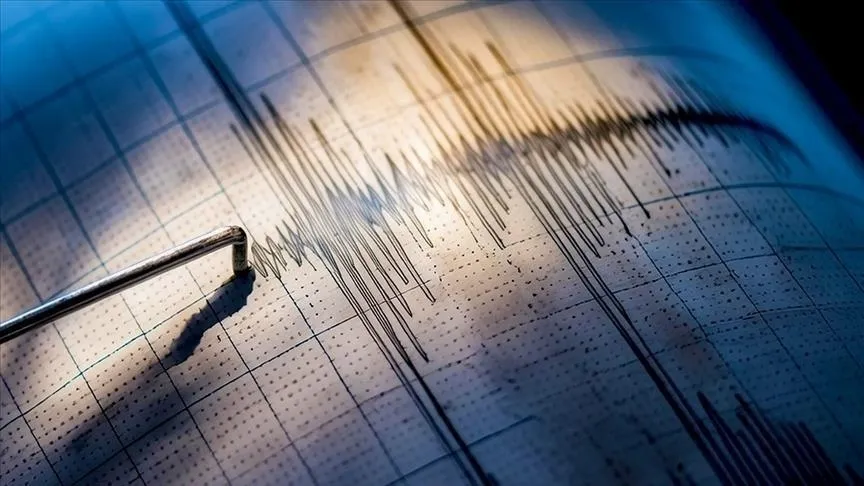
A magnitude 6.7 earthquake rocked the South Shetland Islands of Antarctica, a region known for its seismic activity. Before this event, expectations were relatively calm, with no significant threats reported in the area.
The earthquake struck at a depth of 10 km (6.21 miles), raising immediate concerns about potential tsunamis. However, the US Tsunami Warning System quickly clarified that no tsunami is expected for the US Atlantic, Gulf, or Pacific coasts.
Despite the quake’s strength, there were no immediate reports of damage or casualties. This contrasts sharply with the global seismic activity observed on March 18, 2026, when multiple regions experienced moderate earthquakes without triggering any tsunami warnings.
In Indonesia, a 4.2 magnitude quake occurred at a depth of 157 km, while Spain faced a 4.5 magnitude tremor at 75 km deep. Japan also reported a 4.3 magnitude earthquake near the Izu Islands, significantly deeper at 503 km.
Experts noted that the moderate strength and depth of these earthquakes made them incapable of generating ocean-wide disturbances. Authorities continue to monitor seismic conditions closely to ensure public safety.
The South Shetland Islands remain a focal point for seismic activity, and while this latest quake was significant, the immediate aftermath has been reassuringly stable. Nevertheless, the situation serves as a reminder of the unpredictable nature of earthquakes and the importance of preparedness.
As seismic monitoring continues, officials emphasize the need for vigilance in such geologically active regions. Details remain unconfirmed regarding any long-term impacts from this earthquake.