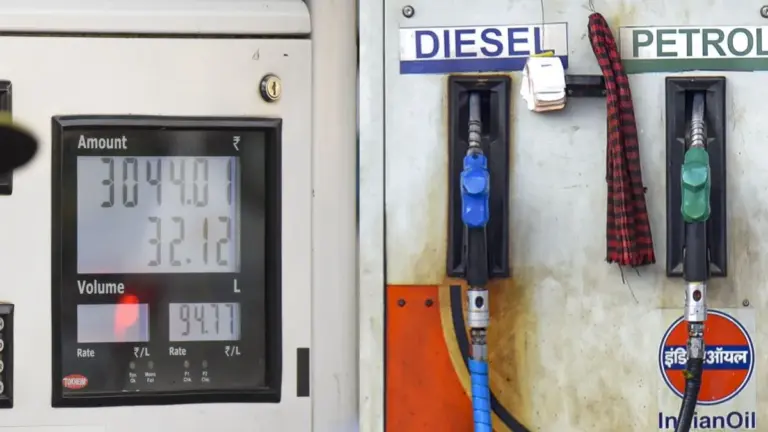









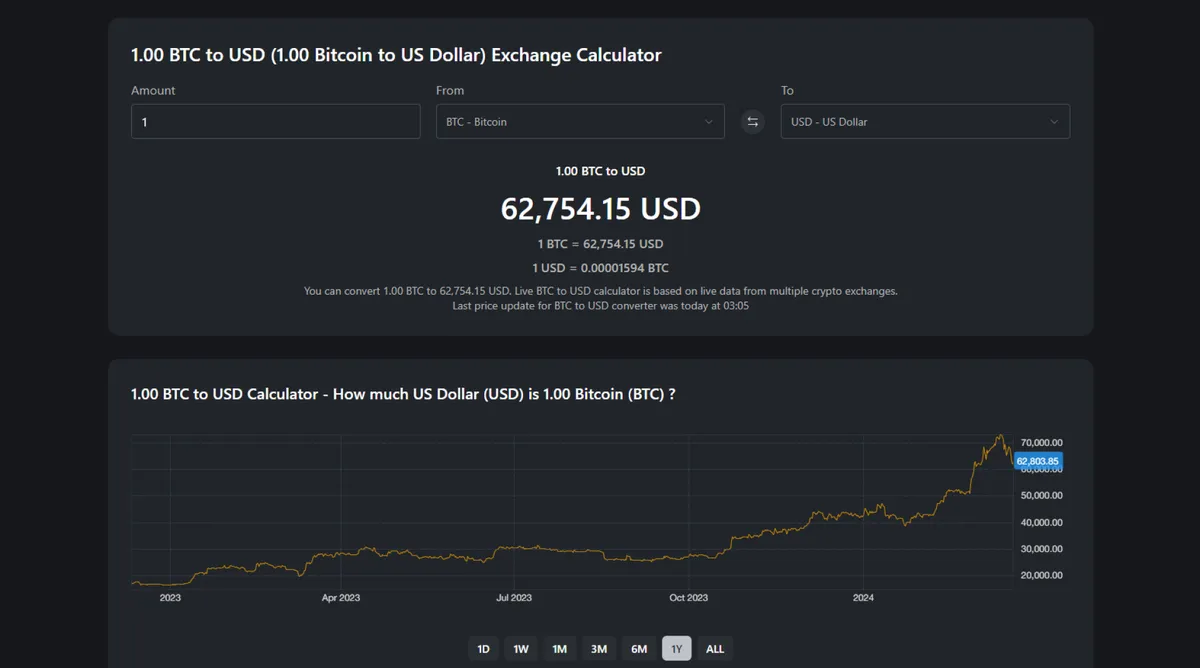
The USD to INR exchange rate had been relatively stable until recent geopolitical tensions escalated, particularly in the Middle East. Analysts expected the rupee to maintain its ground against the dollar, but the situation took a sharp turn.
On March 15, 2025, the Indian Rupee breached the 94-per-dollar mark for the first time, with the USD/INR pair reaching 85.47 during trading. This decisive moment reflected a significant depreciation of the rupee, attributed to escalating geopolitical tensions and foreign capital outflows.
The immediate effects were stark. The rupee has fallen about 3% since the onset of the Iran war, leading to a surge in the dollar index, which rose about 0.3% to 99.9. This shift put immense pressure on the Indian economy, particularly as India imports approximately 85% of its crude oil from the affected regions.
In response, the Reserve Bank of India intervened in currency markets to stabilize the situation, employing multiple policy tools to counteract the rupee’s decline. However, the fallout was severe, with foreign institutional investors selling equities worth Rs 5,518.39 crore on a net basis on the same day.
The Sensex crashed 1,836.57 points, or 2.46%, to 72,696.39, highlighting the market’s reaction to the rupee’s depreciation. Additionally, India’s forex reserves fell by $7.052 billion to $709.759 billion in the week ending March 13, 2025.
Brent crude futures spiked above $105 per barrel, further inflating India’s import bill and exacerbating the economic strain. As Anuj Choudhary noted, “We expect the rupee to trade with a negative bias as deteriorating global sentiments and geopolitical tensions may keep the rupee under pressure.”
Standard Chartered’s emerging markets report added that the Indian Rupee faces triple pressure from geopolitics, commodities, and capital flows. ING remarked, “This is an ideal environment for the dollar, especially against higher beta currencies.”
As the situation develops, the Reserve Bank of India continues to monitor the markets closely, but uncertainties remain. Details remain unconfirmed regarding the long-term impacts of these geopolitical tensions on the rupee and the broader economy.