







What observers say
“Iran wants to make a deal so badly,” stated Donald Trump, reflecting the high stakes of the ongoing conflict that erupted on February 28, 2026. The assassination of Ali Khamenei was a pivotal moment, aimed at decapitating the Iranian regime’s command structure. Following this, Mojtaba Khamenei emerged as the new Supreme Leader, signaling a significant shift in Iran’s leadership amidst escalating tensions.
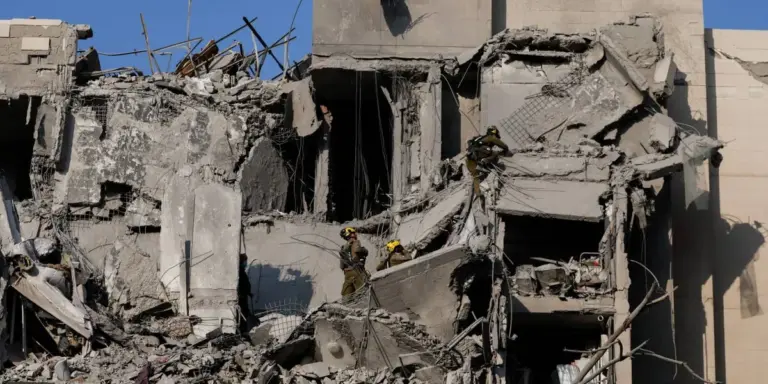
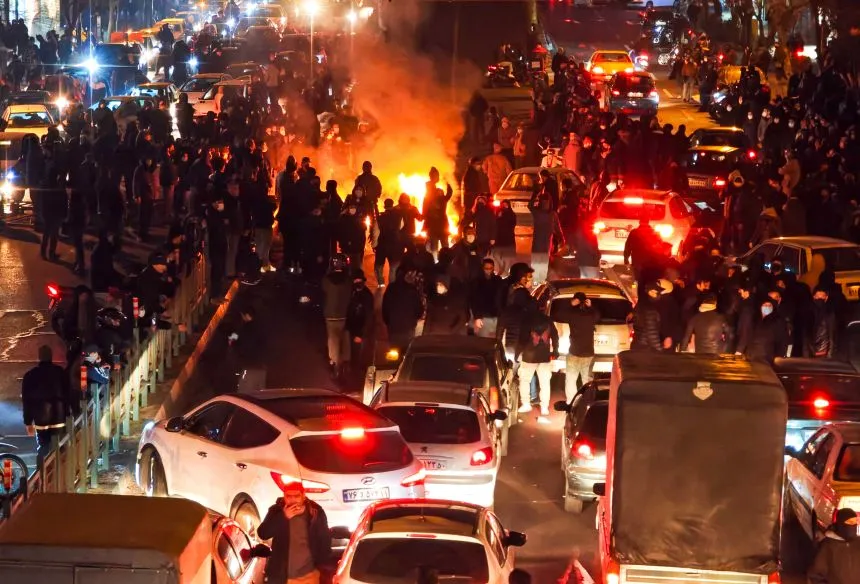
Since the conflict began, Iran has launched ballistic missile and drone strikes targeting Israeli cities and US military bases in the Gulf. These aggressive actions have prompted an unprecedented operational coordination between Gulf monarchies, the US, and Israel, as they respond to the perceived threat from Iran. Oil prices have surged past $120 per barrel, highlighting the economic ramifications of the conflict, particularly given that the Strait of Hormuz carries about 25 percent of the world’s oil.
Despite the overwhelming military superiority demonstrated by the US and Israel, Iran retains the capacity to impose significant costs. The US has deployed tens of thousands of additional troops and multiple carrier strike groups to the region, indicating a commitment to safeguarding its interests. However, the effectiveness of this military strategy in achieving its goals remains uncertain.
Iran has firmly rejected US terms for negotiations, demanding reparations and sovereignty guarantees over the Strait of Hormuz. Mohammad Bagher Qalibaf, a key Iranian official, stated, “No negotiations have been held with the United States,” emphasizing Tehran’s stance. Meanwhile, Israeli Prime Minister Benjamin Netanyahu declared, “We will continue to strike Iran and safeguard our vital interests under all circumstances,” reinforcing the aggressive posture of Israel in the conflict.
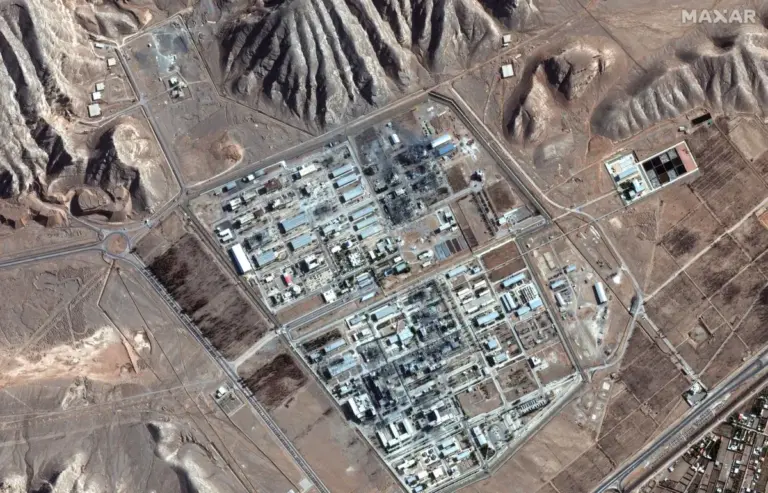
As the conflict continues, it risks settling into a protracted war of attrition, with neither side willing to abandon the fight. Iran’s nuclear material includes a stockpile of 200 kilograms of 60 percent enriched uranium-235 stored in Esfahan, raising concerns about its potential military capabilities. The situation remains fluid, with uncertainties surrounding Tehran’s willingness to negotiate and Israel’s potential agreement to a ceasefire.
Details remain unconfirmed regarding the next steps in this escalating conflict. Observers are closely monitoring the situation, particularly the implications for regional stability and the broader geopolitical landscape. The ongoing war has evolved from a military episode into a structural rupture in West Asia’s strategic equilibrium, with long-term consequences yet to be fully understood.
As the situation develops, the international community watches closely, aware that the stakes are high and the potential for escalation looms large. The 2026 Iran War is not just a regional conflict; it has implications that could reverberate across the globe, affecting oil markets, international relations, and security dynamics in West Asia.