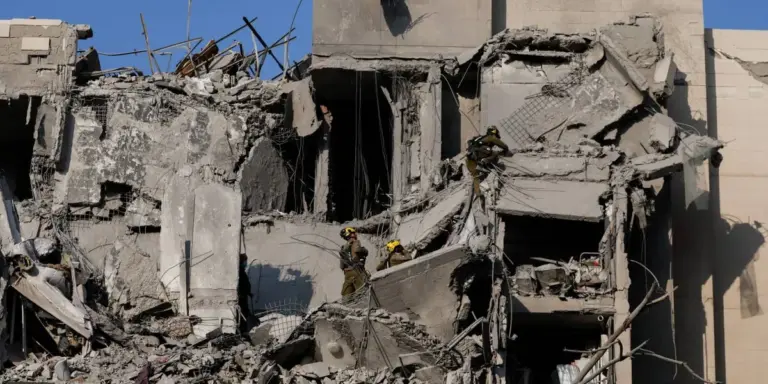








The meeting follows Prime Minister Narendra Modi’s address to Parliament on the situation in West Asia. The All-Party Meeting was convened to discuss escalating tensions in the region, which have disrupted critical maritime corridors and raised concerns about the safety of Indian nationals in Gulf nations.
Defence Minister Rajnath Singh chaired the meeting, which lasted for 1 hour and 45 minutes. Home Minister Amit Shah and External Affairs Minister S. Jaishankar were also in attendance, along with leaders from various opposition parties.
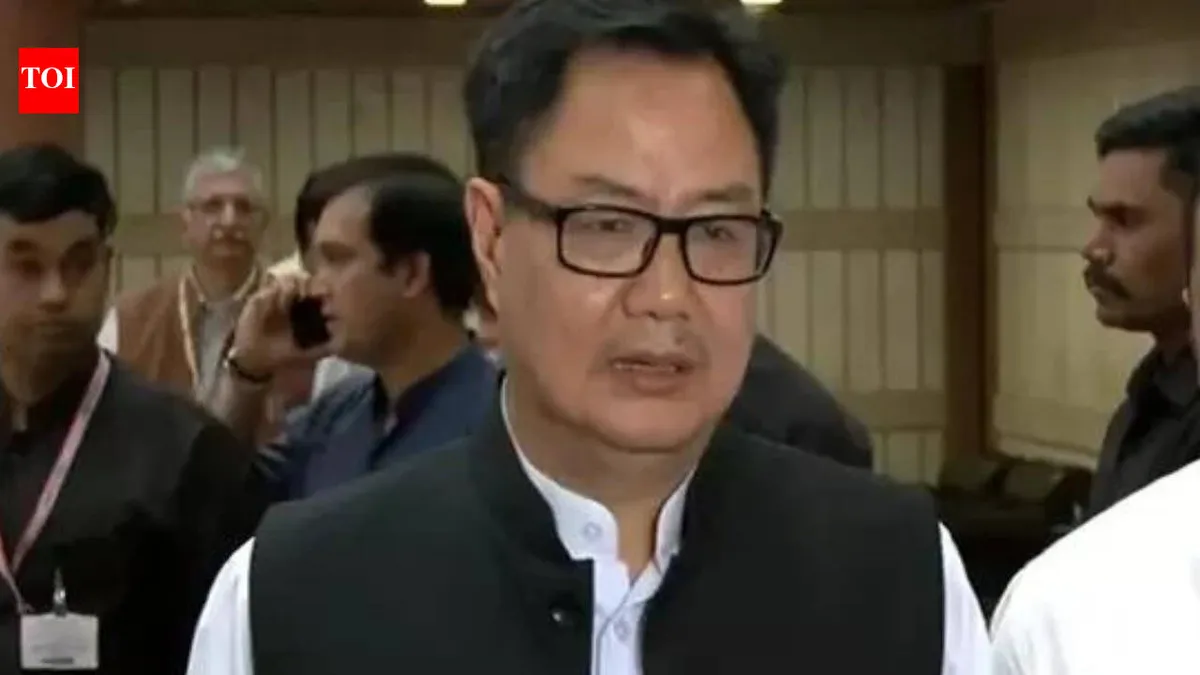
In a show of unity, Kiren Rijiju stated, “All the opposition colleagues have said that in this hour of crisis, whatever decision the government takes, whatever steps it takes according to the prevailing situation, everyone will support it unitedly.” This sentiment reflects a rare moment of bipartisan cooperation amid a national emergency.
The government has constituted seven empowered groups to develop strategies on fuel, supply chains, and fertilizers, ensuring that the nation remains prepared for any disruptions. More than 375,000 Indians have been brought back since the conflict began, highlighting the government’s commitment to safeguarding its citizens.
Officials assured that there is enough energy security in the country, emphasizing that they are “on top of geopolitics” and there is “nothing to worry” about energy supplies. Four ships are expected to dock in the next 4-5 days, further stabilizing the situation.
The government reiterated its openness to discussions with the Opposition, aiming to foster a collaborative approach during this crisis. Observers note that the situation remains fluid, and further developments are anticipated as the government continues to monitor the geopolitical landscape.
Details remain unconfirmed regarding the specific strategies that will be implemented by the newly formed groups, but the commitment to energy security and the safety of Indian nationals remains paramount.