




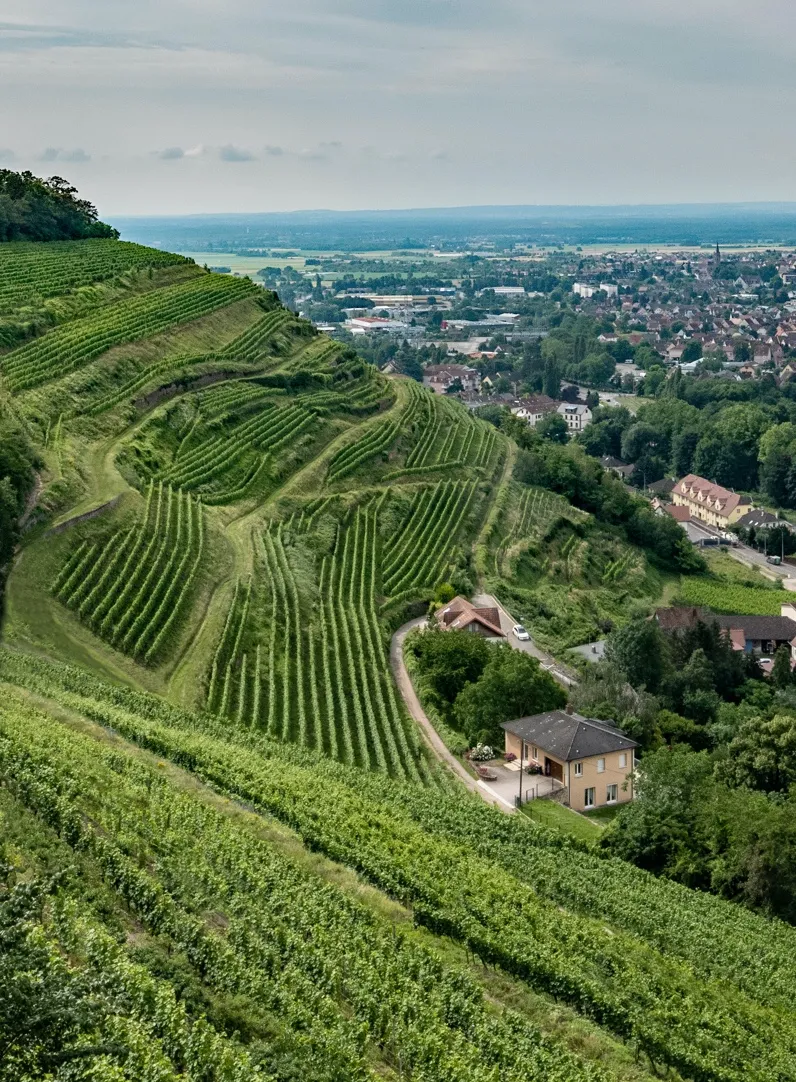
Just before the G7 Foreign Ministers’ Meeting, tensions were rising globally, particularly in West Asia. From March 26-27, 2023, the meeting took place at the Abbaye des-Vaux-de-Cernay, France, with External Affairs Minister Dr. S. Jaishankar representing India as a partner country.
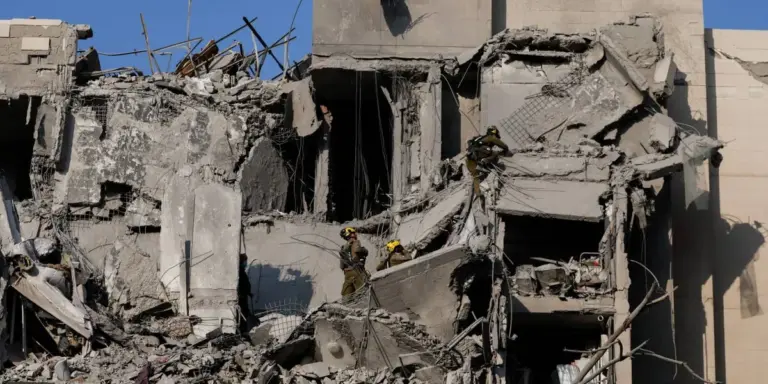
The meeting’s agenda prominently featured discussions on the West Asia crisis and energy security, especially following Iran’s blockade of the Strait of Hormuz, a critical passage for 20% of global oil and LNG. This blockade has caused a surge in global oil and gas prices, prompting urgent discussions among G7 members.
During the meeting, Dr. Jaishankar emphasized the need for reforms in global governance, stating, “I spoke about reform of global governance.” The G7 serves as a vital platform for addressing major economic and geopolitical challenges, coordinating actions among its members, including Canada, Germany, Italy, Japan, the United Kingdom, and the United States.
Meanwhile, on the football field, France faced Brazil in a high-stakes match. Kylian Mbappe scored the first goal, leading France to a 1-0 victory. However, the match took a turn when Dayot Upamecano was sent off, leaving France with only 10 men.
Despite the setback, France managed to secure a 2-0 win, with Hugo Ekitike adding another goal. Brazil’s performance drew criticism, with commentators noting, “This wasn’t Brazil’s day.” The defeat highlighted the challenges Brazil faces in international football.
As the G7 Foreign Ministers’ Meeting concluded, the focus remained on the urgency of keeping the Strait of Hormuz open for international shipping. A dedicated session addressed the crisis in West Asia, underscoring the importance of collaborative efforts among G7 nations.
Currently, the situation remains fluid, with global leaders monitoring developments closely. The outcomes of this meeting could significantly impact international relations and energy markets.
Details remain unconfirmed regarding further actions from the G7 in response to the ongoing crises.