







The wider picture
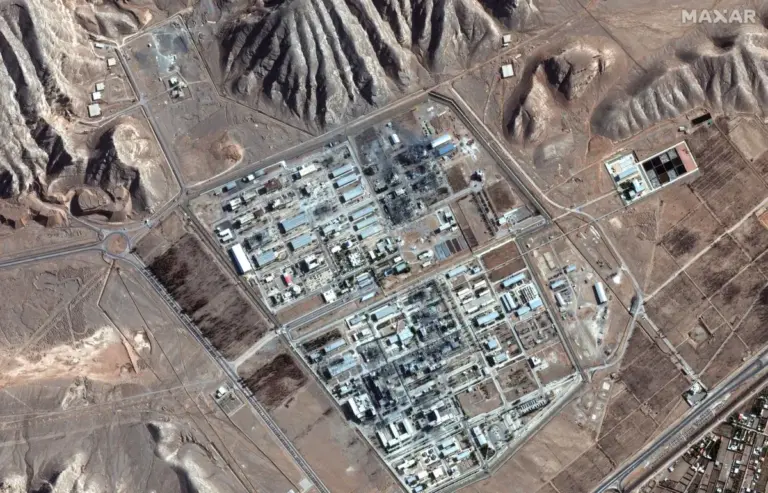
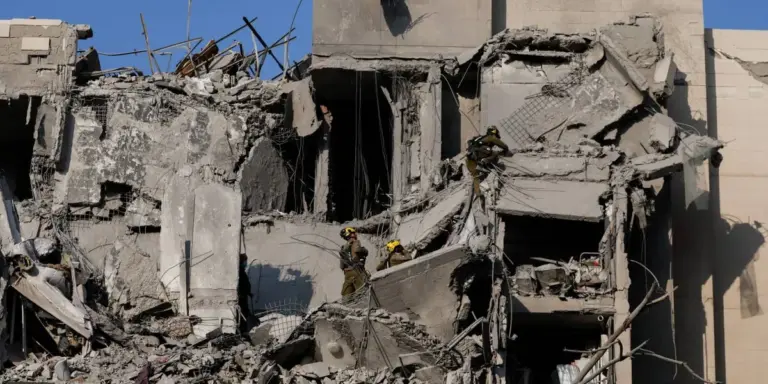
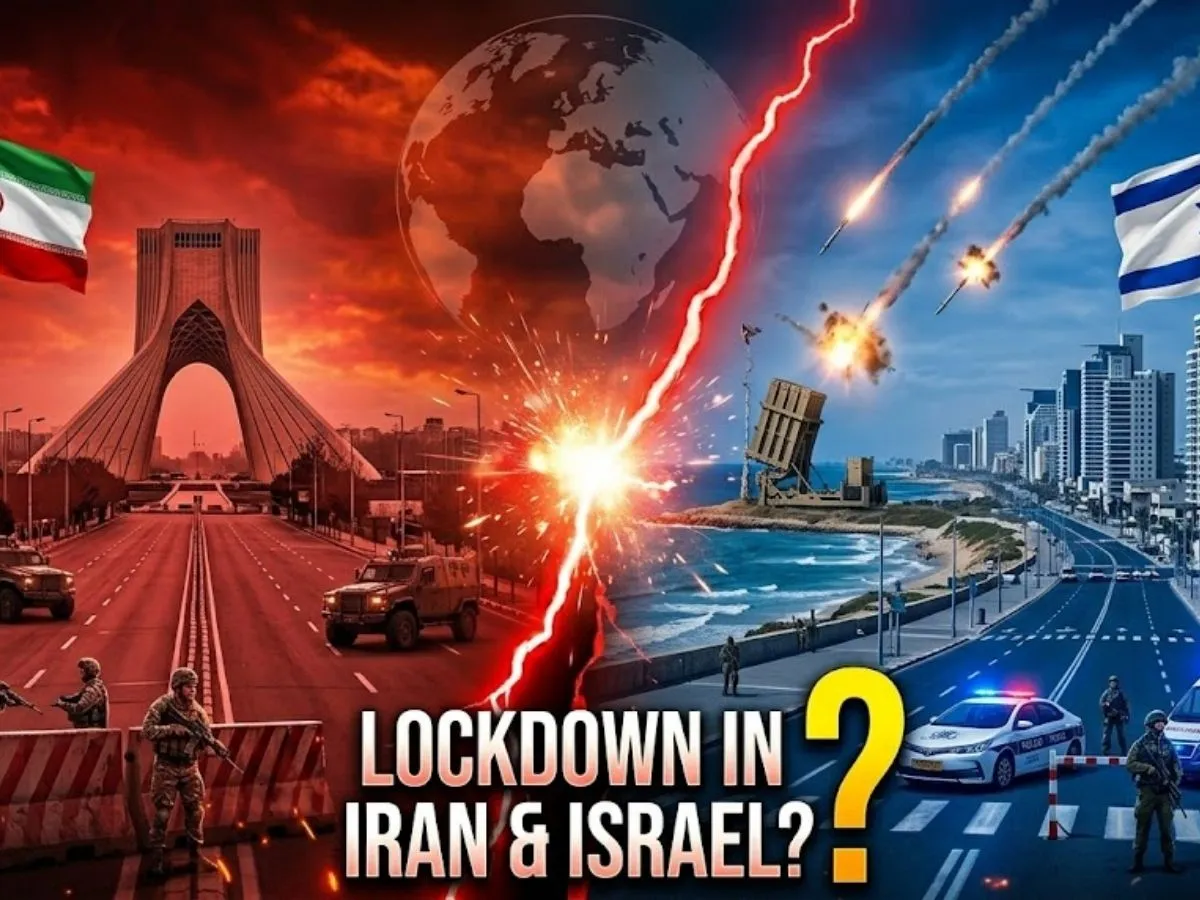
The Iran-Israel war began with the US and Israel launching assaults against Iran on February 28, killing Ayatollah Ali Khamenei. Since then, the situation has escalated dramatically, leading to severe ‘de facto’ lockdowns in both countries. Iran is largely inaccessible for standard activity due to massive waves of airstrikes targeting infrastructure and military facilities.
Israel, while not under a nationwide lockdown, is in a state of high military alert. The government has issued strict guidelines that effectively create a partial lockdown in many areas. Public gatherings are limited to a maximum of 50 people, and many citizens are advised to stay indoors.
The conflict has also resulted in a maritime blockade of the Strait of Hormuz, a crucial passage for global oil. This blockade has caused a staggering 97% drop in traffic, impacting 20% of the world’s oil supply. The International Energy Agency has labeled this disruption as the largest in the history of the global oil market.
Casualties have been significant, with reports indicating that over 1,900 to 3,000 people have died in Iran, alongside at least 17 deaths in Israel since the conflict began. Additionally, airspace across much of the Middle East is heavily restricted or closed, grounding millions of passengers and stranding travelers.
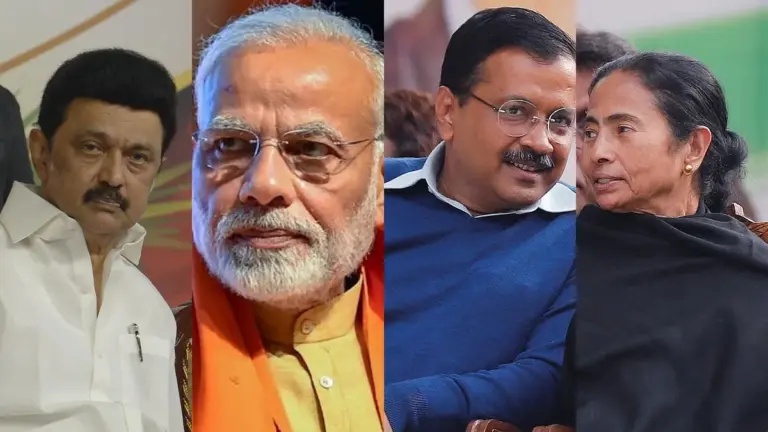
Panic has spread to other regions, such as India, where rumors of a potential lockdown emerged. However, the Indian government has confirmed that no such measures are planned. Meanwhile, global oil prices have surged, with Brent crude reaching between $100 and $120 per barrel during this crisis.
Key international figures are weighing in on the situation. Russian President Vladimir Putin remarked, “The consequences of the conflict in the Middle East are still difficult to accurately predict,” drawing parallels to the coronavirus epidemic. Indian Prime Minister Narendra Modi emphasized the need for readiness in the face of unforeseen challenges, stating, “The rapidly evolving geopolitical scenario demanded readiness for unforeseen challenges.”
Details remain unconfirmed, but the situation remains fluid with ongoing military operations and diplomatic attempts for a ceasefire. Observers warn that the conflict could have long-lasting implications for regional stability and global energy markets.