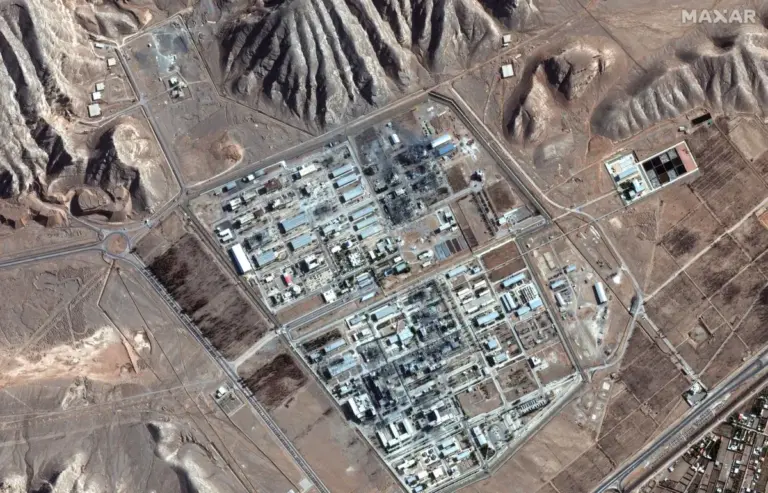









The Iran War, launched by the United States and Israel against Iran, has entered its 24th day as of March 23, 2026. Tensions have escalated dramatically, with significant military actions reported across the region.
On March 22, a US-Israeli airstrike targeted a radio transmitter in Bandar Abbas, resulting in one fatality. This attack is part of a broader campaign that has seen Iran retaliate with thousands of drones aimed at Israel since the death of Iranian Supreme Leader Ali Khamenei on February 28.
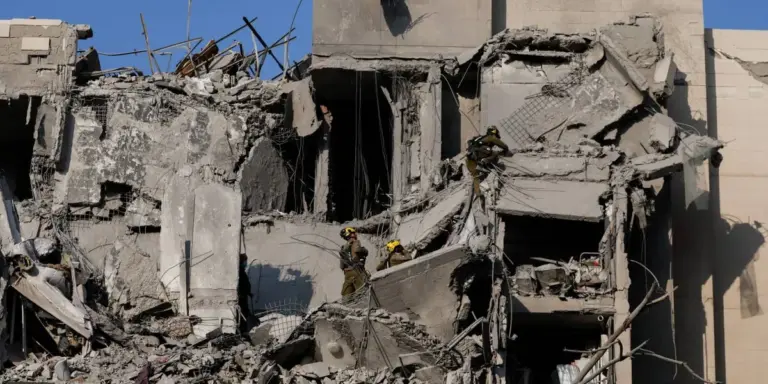
In a separate incident, an airstrike flattened residential buildings in Urmia city, leading to ongoing rescue efforts as authorities search for survivors. The situation remains dire as the civilian toll mounts.
International reactions have intensified, with the UK summoning Iran’s ambassador to express criticism over Tehran’s actions. Meanwhile, Saudi Arabia reported two ballistic missiles launched toward Riyadh, with one intercepted, highlighting the conflict’s regional implications.
In the UAE, an Indian national suffered minor injuries from falling debris after a ballistic missile was intercepted. The conflict’s reach is becoming increasingly evident, affecting neighboring countries.
On March 22, a helicopter crash in Qatar’s territorial waters claimed the lives of seven individuals, adding to the mounting casualties associated with the ongoing conflict.
Domestically, the US Senate’s minority leader has called for an end to military operations against Iran, reflecting growing concern over the war’s trajectory. The Pentagon is seeking an additional $200 billion to fund the conflict, underscoring the financial strain of the ongoing military engagement.
Since the onset of hostilities, at least 1,029 people have died in Israeli strikes in Lebanon, a stark reminder of the war’s broader humanitarian impact. The US and Israel are deploying sophisticated weaponry against Iran’s cost-effective arms, raising questions about sustainability and military strategy.
As the conflict continues, Iran officials maintain that no negotiations or discussions with the United States have taken place since the war began. Details remain unconfirmed regarding any potential peace talks.
The longer this conflict persists, the more it exposes the limits of military resources and the strain on the industrial base, as noted by experts. The implications for regional stability and international relations are profound as the situation evolves.