








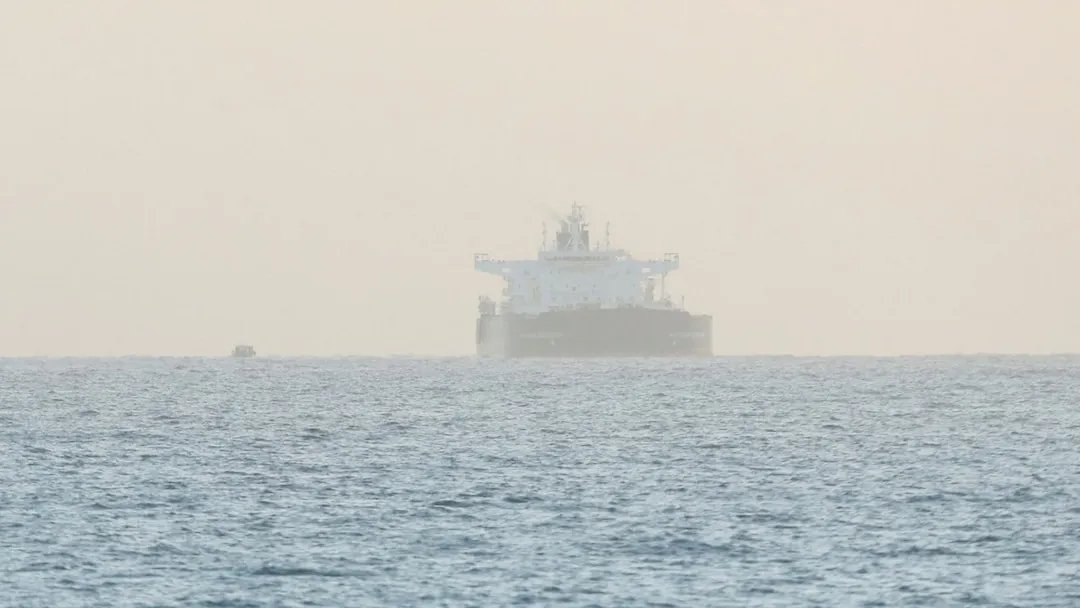
The Iranian oil tanker Ping Shun has changed its course mid-voyage, now heading to China instead of its intended destination in India. This shift is significant as it carries 600,000 barrels of Iranian crude oil, marking a potential setback for India’s oil imports.
Initially, the tanker was set to dock at Vadinar in Gujarat, India, which would have been the country’s first import of Iranian crude since 2019. However, the change appears to be linked to unresolved payment-related concerns, complicating the already strained relationship between India and Iranian oil.
India has not imported Iranian oil since May 2019 due to stringent US sanctions. Before these sanctions were tightened in 2018, India was one of the largest buyers of Iranian oil, accounting for 11.5% of its total imports. In 2018, India imported an average of 518,000 barrels per day from Iran, a figure that plummeted to 268,000 barrels per day in the first half of 2019.
The US has granted a 30-day waiver for purchases of Iranian oil at sea, which is set to expire on April 19, 2026. This waiver adds urgency to the situation, as the window for potential imports narrows.
Despite the tanker’s new destination, experts suggest that if payment issues are resolved, the cargo could still make its way to an Indian refinery. Sumit Ritolia noted, “If the payment issues are resolved, the cargo could still make its way to an Indian refinery.” This highlights the complexities of international oil trade amid sanctions.
The identities of the buyer and seller involved in this cargo remain unclear, adding another layer of uncertainty to the situation. As commercial conditions become increasingly critical, the flow of Iranian crude is now influenced as much by financial logistics as by physical transportation.
Details remain unconfirmed regarding the final destination and potential buyers of the Ping Shun’s cargo. The episode underscores how commercial terms are becoming as critical as logistics in determining Iranian crude flows, according to Ritolia.