








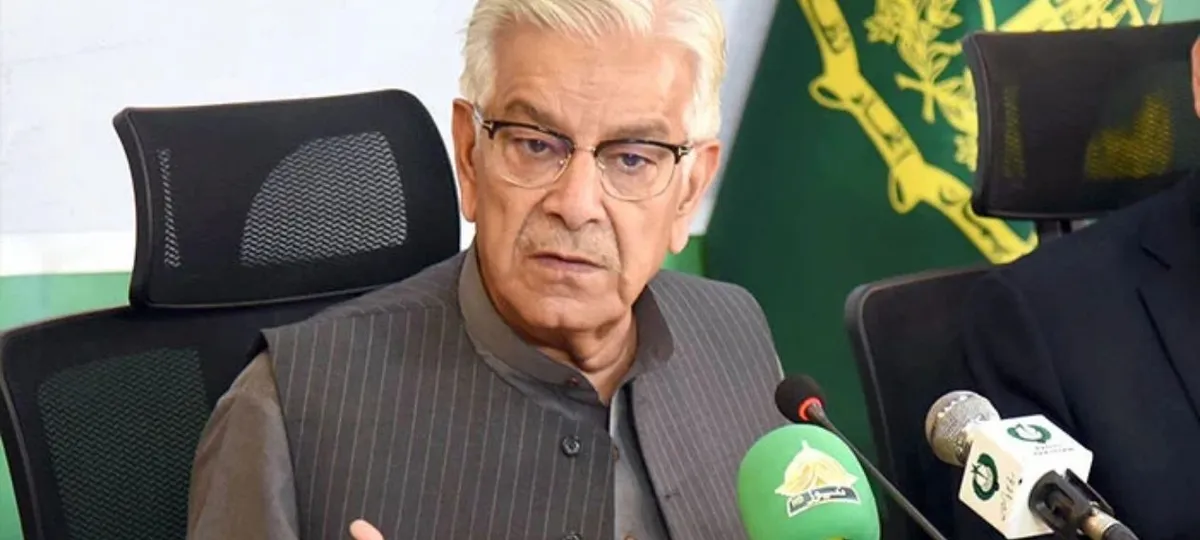
As tensions escalate between Pakistan and India, Khawaja Asif has made a bold statement that has captured attention. Speaking to reporters in Sialkot, he warned that Pakistan would respond with a strike on Kolkata if conflict arises.
Asif’s comments come on the heels of heightened tensions following the Pahalgam attack, which had previously sparked a four-day conflict between the two nations. His remarks were a direct response to Indian Defence Minister Rajnath Singh’s assertion about taking ‘unprecedented action’ against Pakistan.
During his address, Asif claimed that India is planning false flag operations, alleging that the country might stage incidents involving detained Pakistanis. “If India tries to stage any false flag operation this time, then God-willingly, we will take it to Kolkata,” he stated, emphasizing the seriousness of his warning.
He further declared that Pakistan’s response to any attack from India would be ‘swift, calibrated, and decisive.’ This statement underscores the potential for rapid escalation should hostilities resume.
Despite the gravity of his claims, Asif did not provide evidence to support his allegations regarding India’s intentions. The lack of substantiation raises questions about the veracity of his assertions.
The current state of affairs is precarious, with both nations on high alert. Asif’s warning adds another layer of complexity to an already fraught relationship, marked by mutual distrust and historical grievances.
As the situation develops, the international community watches closely, aware that any miscalculation could lead to significant consequences. The stakes are high, and both sides appear unwilling to back down.
Details remain unconfirmed regarding the specific nature of India’s alleged plans, leaving room for speculation and concern among observers.
In this charged atmosphere, Asif’s statements serve as a reminder of the fragile peace that exists between Pakistan and India, with the potential for conflict always looming.
As the world awaits further developments, the implications of Asif’s warning are profound, signaling a potential shift in military postures and diplomatic relations.