








How it unfolded
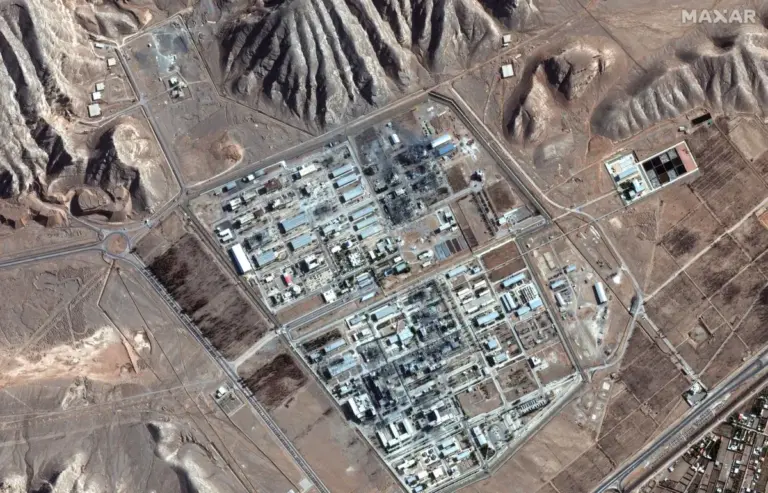
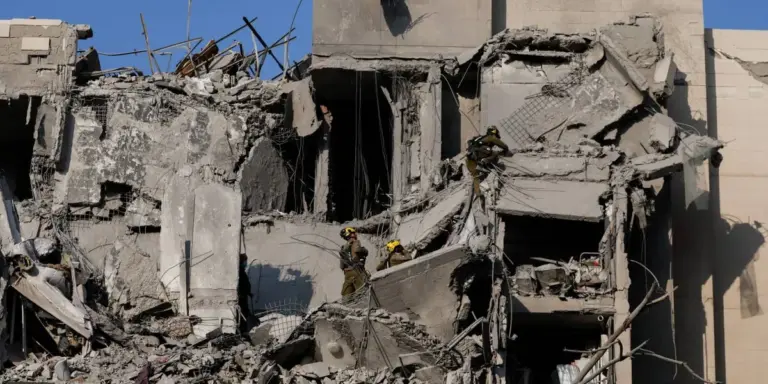
The crisis in West Asia has been ongoing for more than three weeks, creating significant challenges for India. With nearly one crore Indians living and working in Gulf countries, the stakes are high. The Indian government is on high alert, monitoring the situation closely as it impacts both the economy and national security.
On the ground, more than 3,75,000 Indians have safely returned to India since the war began, highlighting the urgency of the situation. The government has established 24/7 control rooms and emergency helplines to assist those abroad, ensuring that help is just a call away.
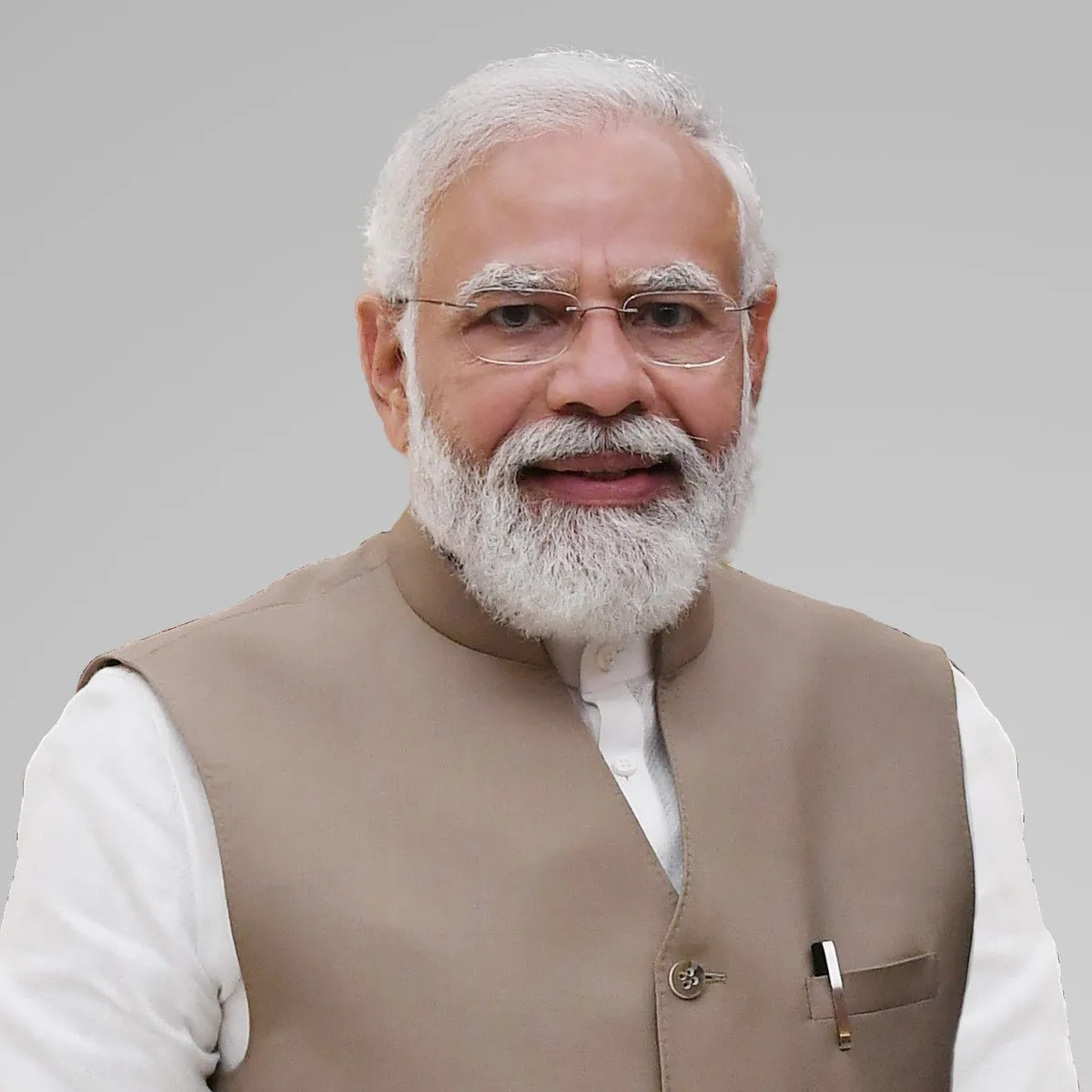
Prime Minister Modi has actively engaged with leaders from Gulf nations, Iran, Israel, and the United States, emphasizing the need for a united front. “The whole world is urging all parties for the earliest possible resolution of this crisis,” he stated, underscoring India’s commitment to global peace.
India’s extensive trade relations with countries involved in the conflict complicate matters. The government is continuously monitoring global developments to protect consumer and industry interests, particularly in energy. India has expanded its energy import sources from 27 to 41 countries over the past 11 years, ensuring a diversified supply chain.
As the situation evolves, PM Modi has raised concerns about de-escalation and the reopening of the Strait of Hormuz, a critical passage for oil shipments. “Continuous efforts are also underway to determine how we can overcome the disruptions that have occurred in the supply chain,” he remarked, indicating proactive measures are being taken.
In response to the crisis, the CBSE has cancelled the scheduled Class 10th and 12th examinations in Indian schools located in Gulf countries, reflecting the seriousness of the situation. The educational impact on Indian students abroad is a significant concern for families and the government alike.
India’s Strategic Petroleum Reserve of over 53 lakh metric tonnes provides a buffer against potential supply disruptions. Additionally, the country has achieved a record coal production of 100 crore tonnes for the second consecutive year, showcasing its energy resilience amidst global uncertainties.
As the conflict continues, the implications for India are profound. The government’s swift actions and diplomatic engagements are crucial for protecting its citizens and maintaining economic stability during these turbulent times. Details remain unconfirmed as the situation develops.