








Who is involved
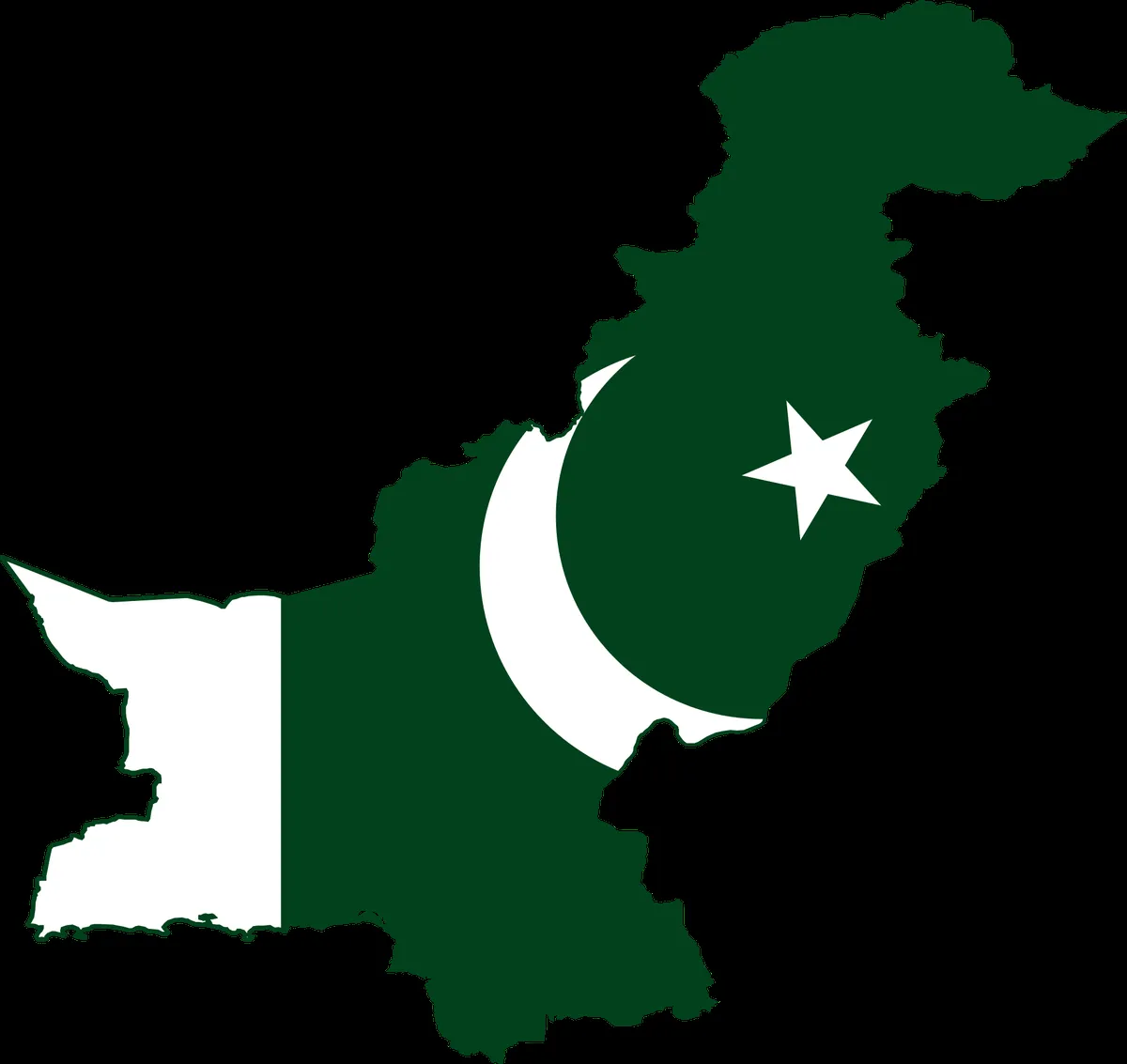
Pakistan has long been perceived as a nation struggling with energy shortages and security threats. The expectation was that these challenges would continue to plague the country, hindering its development. However, recent events have shifted this narrative dramatically.
In a decisive moment, Uttar Pradesh Police arrested four suspected handlers of an ISI-linked terror module in Lucknow. These suspects were allegedly planning to trigger blasts at important places, including railway stations. The head of the gang, Saquib, maintained contact with his Pakistani handlers through social media, raising alarms about the ongoing security threats emanating from Pakistan.
Simultaneously, Pakistan is navigating a complex financial landscape. Senator Mushahid Hussain has voiced concerns over the growing relationship between India and the UAE, especially as Pakistan prepares to repay around $3.5 billion to the UAE, a loan extended in 2019. This financial obligation adds pressure to a nation already grappling with economic challenges.
On a brighter note, Pakistan is experiencing a solar energy revolution. By 2025, a quarter of Pakistani households are projected to be using solar panels, a significant increase from just 2.9% in 2020. The solar share in the energy mix has skyrocketed to 32.3%, showcasing a remarkable transition in energy consumption.
The price of solar panels has plummeted to about 30 rupees ($0.10) per watt, making renewable energy more accessible. As a result, the number of households with net-metering has surpassed 280,000 consumers. This shift has not only empowered households but has also helped the country save more than $12 billion in fuel imports since 2018.
Experts like Rabia Babar emphasize that “Pakistan’s solar revolution wasn’t planned in Islamabad – it was built on rooftops.” This grassroots movement highlights the resilience of the Pakistani people in the face of adversity. Meanwhile, Karim Baksh, a local resident, remarked, “Now, I don’t care if the prices of diesel increase,” reflecting a growing confidence in renewable energy solutions.
However, the government has reduced the buyback rate for new net-metering users to about 10 rupees ($0.036) per unit, which may impact future investments in solar energy. As the country balances these developments, the tension between security and energy independence remains palpable.
Pakistan’s energy systems remain highly tied to global supply routes, especially the Strait of Hormuz. The interplay of security threats and energy advancements paints a complex picture for the nation’s future. As the country grapples with these challenges, the voices of its citizens and experts alike will shape the path forward. Details remain unconfirmed.