







Who is involved
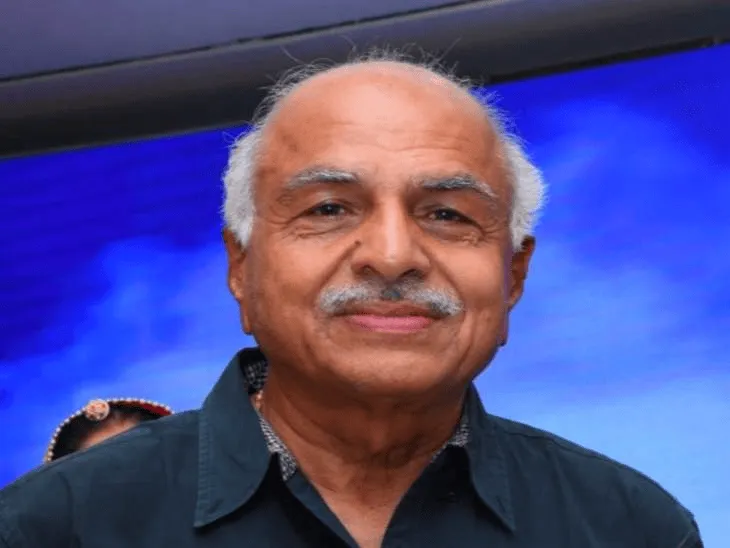
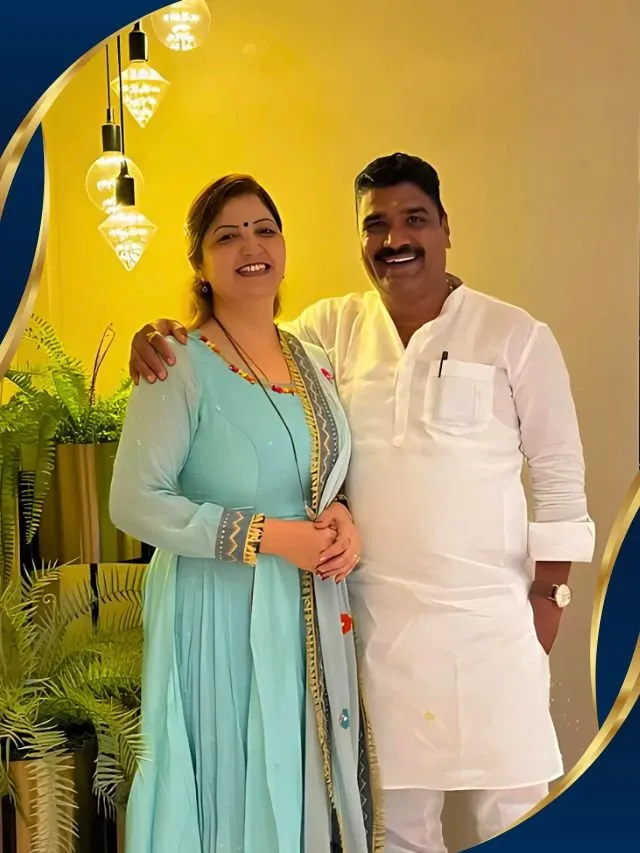
Before the recent upheaval, Maharashtra’s political scene was marked by relative stability, with figures like Rupali Chakankar serving as a trusted member of the Maharashtra State Women’s Commission. The expectation was that Chakankar would continue her advocacy for women’s rights without interruption. However, the shocking emergence of a viral video featuring Ashok Kharat has drastically altered this landscape.
The decisive moment came in mid-March 2026, when a video surfaced showing Kharat urinating into a glass and offering it to a woman. This grotesque act led to his arrest on multiple charges, including rape and molestation. Following the video’s release, Chakankar resigned from her position on March 20, 2026, signaling a significant shift in her political career and the broader implications for the Maharashtra political framework.
The fallout from the video has been immediate and severe. Chief Minister Devendra Fadnavis confirmed that eight cases have been registered against Kharat, who had operated with political patronage for nearly two decades. The Special Investigation Team (SIT) was formed on March 13, 2026, to delve into the allegations, further complicating the situation for all involved.
Neeraj Jadhav, a former employee of Kharat, played a crucial role by submitting over a hundred videos of alleged assaults to the SIT. This evidence has intensified scrutiny on Kharat, revealing a pattern of abuse that extends beyond the viral video. The investigation is now probing land deals and corporate ties, indicating a much larger web of corruption and misconduct.
Chakankar’s resignation has drawn mixed reactions. While some see it as a necessary step to distance herself from the scandal, others criticize her past association with Kharat, as she was listed as a trustee of his charitable trust, Shivanika. This connection raises questions about her judgment and the political alliances she maintained.
Experts suggest that this incident could have lasting repercussions for Maharashtra’s political landscape. Harshwardhan Sapkal, a political commentator, stated, “Jaykumar Rawal should be sacked by Chief Minister Fadnavis for helping a fraud.” The implications of Kharat’s actions and Chakankar’s resignation may extend beyond individual accountability, potentially reshaping party dynamics and public trust in political figures.
As the investigation unfolds, the public is left to grapple with the stark realities of political corruption and the exploitation of power. Raj Thackeray’s remarks hint at deeper political maneuvering, stating, “I am hearing that to clip the wings of someone’s ambition, this matter will be used.” The intertwining of personal and political ambitions in this scandal underscores the complexities of governance in Maharashtra.
Details remain unconfirmed regarding the full extent of Kharat’s alleged misconduct and the implications for those who supported him. As more information surfaces, the political ramifications will likely continue to evolve, leaving many to wonder how this scandal will reshape the future of Maharashtra politics.