








Reaction from the field
Sikkim, the only Indian state without railway connectivity, is on the brink of a transformative change. A new railway line connecting Sevoke and Rangpo is under construction, with expectations for it to be operational by 2027. This development promises to enhance accessibility and economic growth in the region.
The absence of railway routes has long contributed to Sikkim’s remoteness, with travel from New Jalpaiguri to Gangtok taking around four to five hours by road. Currently, Sikkim has limited air connectivity through Pakyong Airport, located 30 kilometers from Gangtok. However, flights to Pakyong are scarce and heavily dependent on weather conditions, making travel unpredictable.
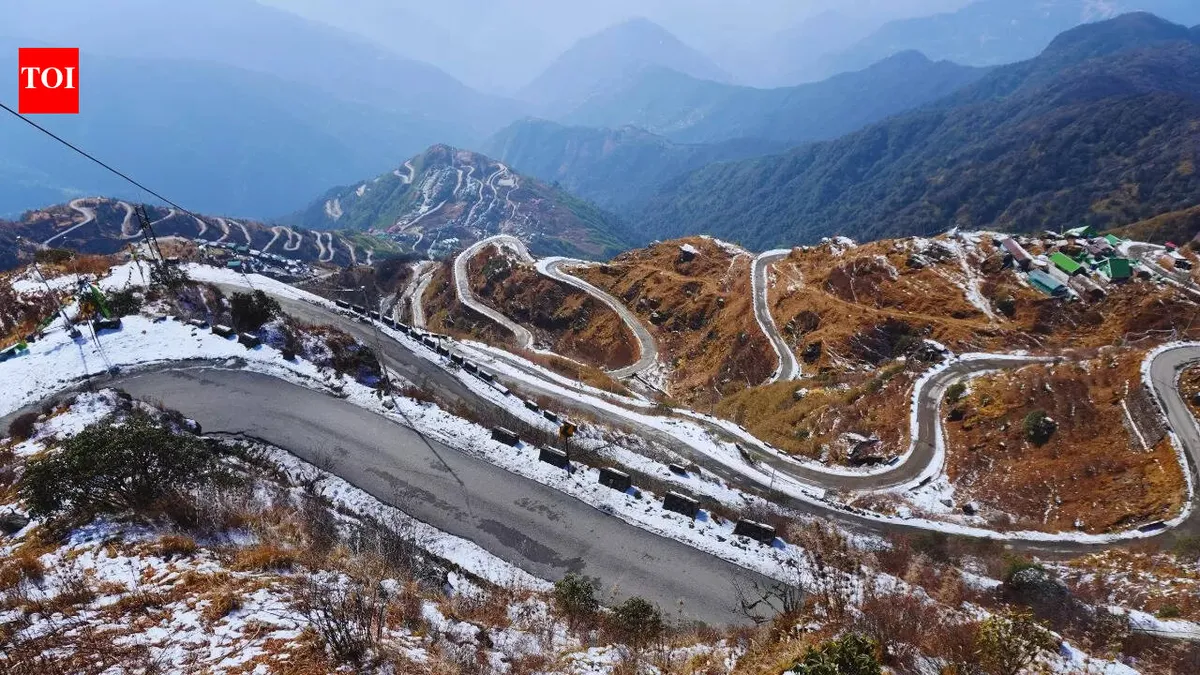
The new railway line, stretching approximately 44-45 kilometers, is expected to significantly reduce travel time and improve logistics. Sikkim’s challenging terrain, characterized by steep mountains and deep valleys, has historically hindered the establishment of railways. Yet, the ongoing construction signals a shift towards better connectivity.
In addition to railway developments, Sikkim’s infrastructure is also tied to energy projects, such as the Mohra Power Project in Jammu and Kashmir. Commissioned in 1905, the project has been defunct since the 1990s, following damage from floods. With a proposed capacity of about 10.5 MW, its revival is seen as historically significant, though it may not substantially alleviate the region’s power deficit.
As Sikkim prepares for railway connectivity, the implications are profound. The new line could open doors for tourism and trade, enhancing the state’s economic landscape. However, the transition also raises questions about environmental impacts and how the local culture will adapt to increased accessibility.
Details remain unconfirmed regarding the exact timeline and additional infrastructure needed to support the railway’s operation. The potential for Sikkim to shed its isolation is exciting, but the community must navigate the challenges that come with such growth.
As the project progresses, stakeholders are keenly observing the developments. The railway line is not just a transportation project; it symbolizes a new era for Sikkim, one where the state could finally integrate more fully into the national framework.