







Reaction from the field
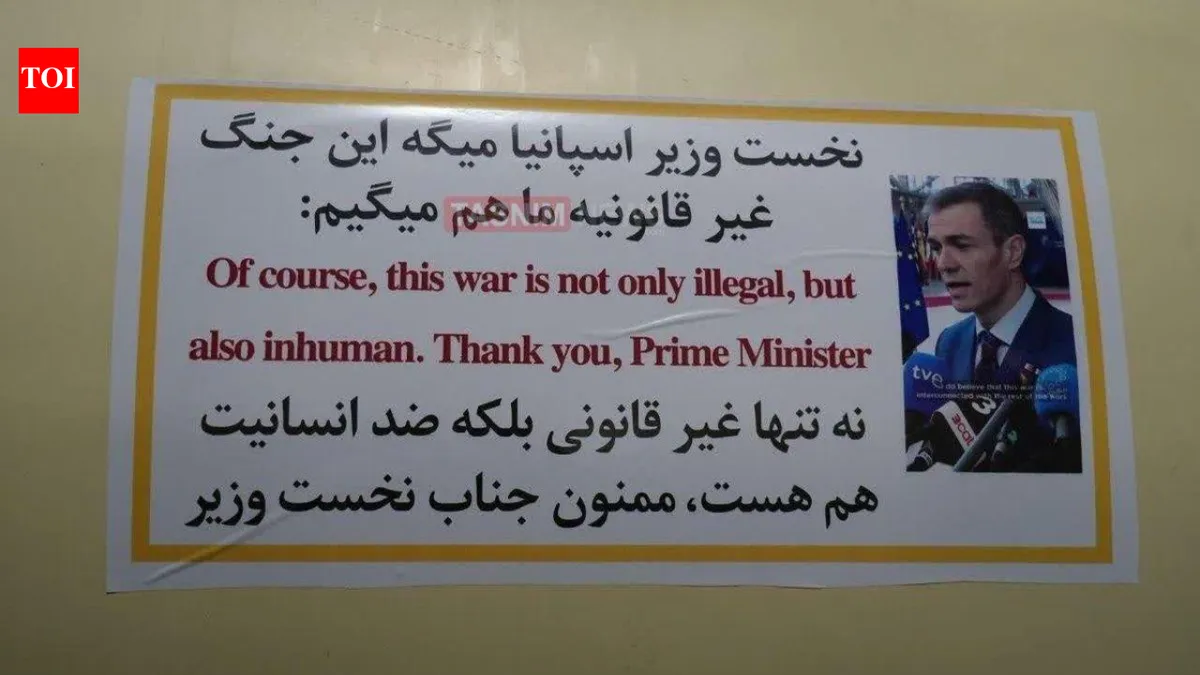
The ongoing conflict in the Middle East has escalated dramatically, with over 2,000 lives lost since the war began on February 28, 2026. Iran’s recent actions, including attaching Spanish Prime Minister Pedro Sanchez‘s anti-war remarks to missiles aimed at Israel, underscore the high stakes involved.
As the war enters its fourth week, Iran has issued a stark warning: it will close the Strait of Hormuz if the United States attacks its power plants. This vital waterway is crucial for global oil and LNG supplies, with 20 percent of the world’s oil transiting through it. The threat of closure raises alarms about potential global economic repercussions.
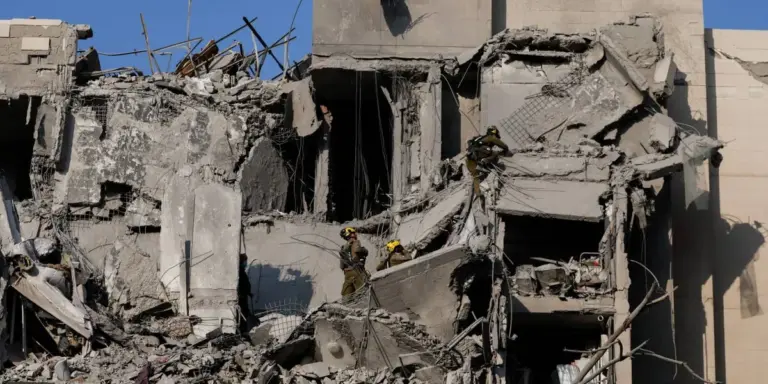
On the ground, the Israeli military is intensifying operations against Hezbollah in Lebanon, with Lieutenant General Eyal Zamir stating, “The operation against the Hezbollah terrorist organization has only begun. This is a prolonged operation.” This marks a significant escalation in Israel’s military strategy.
In a related development, a rocket attack by Hezbollah on March 22 resulted in one death, highlighting the ongoing violence and instability in the region. Meanwhile, Kataeb Hezbollah has extended a pause on attacks against the US embassy in Baghdad by five days, indicating a complex web of tactical decisions amid the broader conflict.
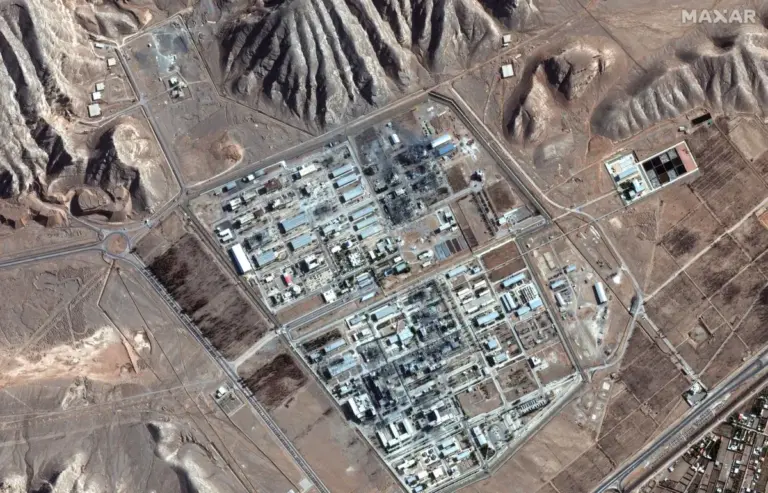
Iran’s Parliament Speaker, Mohammad Bagher Ghalibaf, warned that any targeting of Iranian infrastructure would lead to the destruction of regional energy and oil facilities. He stated, “Immediately after power plants and infrastructure in our country are targeted, vital infrastructure as well as energy and oil infrastructure across the entire region will be considered legitimate targets and will be irreversibly destroyed.” This rhetoric signals a potential escalation in retaliatory actions.
Israeli Prime Minister Netanyahu has called for broader international involvement in the war against Iran, emphasizing the need for a unified front against perceived threats. The international community watches closely as tensions mount, with fears of a wider conflict looming.
As the situation develops, uncertainties remain regarding the potential for further military engagement and the implications for global oil markets. Details remain unconfirmed regarding the exact timeline of events and the responses from involved nations.