








What impact does the current geopolitical climate have on the US presidency and global markets? The answer is significant, as rising tensions, particularly regarding Iran and Israel, have led to notable declines in market stability.
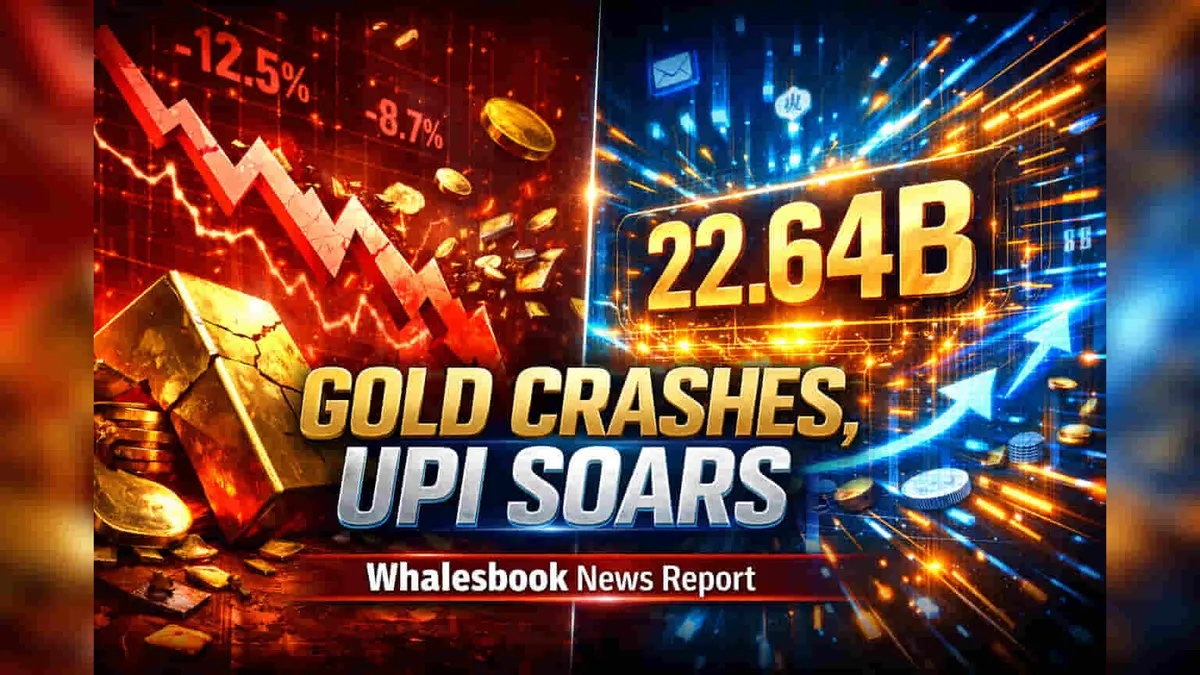
Gold prices have fallen by 2.21%, now sitting at $4,677 per ounce, while silver has dropped 4.22%, priced at $72.87 per ounce. This volatility is largely attributed to Donald Trump’s stance on these conflicts, which has increased market uncertainty.
Wall Street futures are also reflecting this unease, declining as investors seek safer assets. The US dollar index (DXY) has risen, indicating a shift towards safe-haven investments amidst these tensions.
Meanwhile, India’s digital economy is experiencing remarkable growth, with 22.64 billion transactions through the Unified Payments Interface (UPI) in March 2026, marking the highest monthly transaction number and value since UPI’s inception. The total value of these transactions reached ₹29.53 lakh crore.
Despite this growth, the Indian startup ecosystem is facing challenges, with funding decreasing by 56% year-on-year as of March 2026. Indian banks, however, reported double-digit growth in loans and deposits during the same quarter.
The Indian government has tightened rules for gold jewelry imports from ASEAN countries, further complicating the market landscape.
As geopolitical tensions in the Middle East continue, the potential for ongoing market volatility remains high. Details remain unconfirmed regarding the long-term impacts of these developments.
Looking ahead, the strength of the US dollar will be a crucial factor for currency and commodity markets in Q2 2026, but the overall impact of these geopolitical tensions on market stability is still uncertain.