







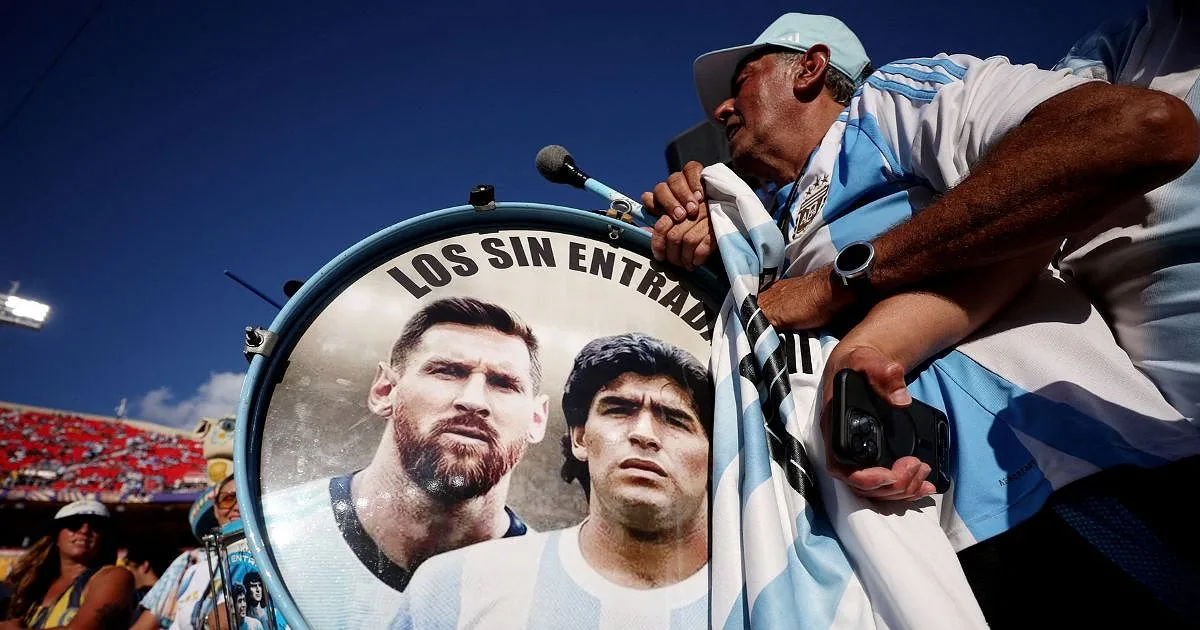
Argentina‘s Vice President Victoria Villarruel has referred to the English as “usurping pirates” in anticipation of the World Cup semi-final match between the two nations. Villarruel stated on X that the upcoming game is “not just another match,” highlighting a long-standing sovereignty dispute over the Falkland Islands, known in Argentina as the Malvinas.
Villarruel’s comments underscore the historical and political tensions surrounding the fixture. She explicitly linked the match to the Malvinas, the legacy of Diego Maradona, and what she described as Lionel Messi’s “last run.” Her father participated in the 1982 Falklands War, a 74-day conflict between Argentina’s military dictatorship and the United Kingdom, which concluded with a British victory and significant casualties on both sides.
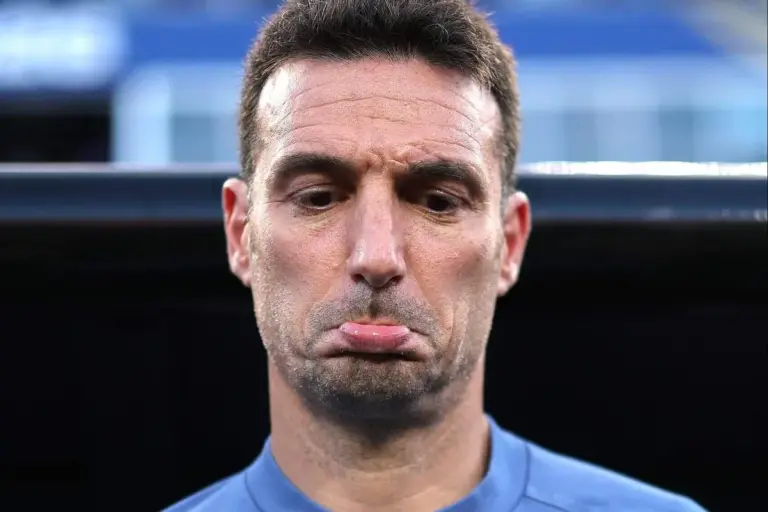
The vice president’s remarks contrast with the more neutral stance taken by Argentina coach Lionel Scaloni and several players, who have sought to minimise the political and historical implications of the game. Scaloni described it as “a football match, plain and simple,” cautioning against mixing football with political issues.
Historical Context and Rivalry
The rivalry between Argentina and England is deeply rooted in football, history, politics, and colonialism, extending across generations. This semi-final in Atlanta will be the first time Lionel Messi plays against England in his career, as Argentina aims to prevent Thomas Tuchel‘s England from reaching their first World Cup final since 1966.
The chant, “Y ya lo ve, y ya lo ve. El que no salta, Es un ingles!” (And now you see, and now you see, whoever doesn’t jump is English), is a common expression among Argentina’s football fans and players, often sung regardless of the opposition. However, ahead of this particular semi-final, these words are expected to carry increased hostility and emotion.
The Falklands War in 1982 remains a significant factor influencing the relationship between the two football-obsessed nations. Argentina’s players and supporters frequently reference the conflict in their football songs. Following their quarter-final victory against Switzerland, videos from the Argentina Football Association showed the squad chanting in honour of Diego Maradona and Lionel Messi, while also referring to the Falkland Islands.
The phrase “Por Malvinas, por el Diego, por la ultima de Leo” (For the Malvinas, for Diego, for Leo’s last one) encapsulates the sentiment among many Argentinians, connecting the islands, the football legend, and Messi’s final tournament appearance.
Security Measures and Calls for Focus
In light of the heightened emotions, Argentine Security Minister Alejandra Monteoliva announced a security plan for the semi-final in Atlanta. This plan includes banning fans from bringing flags or other items referencing the Falkland Islands into the stadium.
An Argentine war veterans federation has also urged fans to prioritise the sporting aspect of the match over historical sovereignty claims. The April 2 War Veterans Federation emphasised that sovereignty claims should be pursued through diplomatic channels and international forums, rather than through a football match. They called for honouring fallen soldiers without promoting hatred or xenophobia, stressing the importance of distinguishing sporting passion from national causes.
Despite the political undertones, both teams, including managers and players, have attempted to de-escalate rivalry discussions, focusing solely on the football. England goalkeeper Jordan Pickford echoed this sentiment, stating that the semi-final is “just a game of football” and that “the football will do its talking.”
The rivalry has produced several memorable World Cup encounters, including the 1966 quarter-final where England defeated Argentina, a match still viewed by Argentinians as controversial. The 1986 quarter-final saw Diego Maradona score both the infamous “Hand of God” goal and the “Goal of the Century” against England, with Argentina ultimately winning the World Cup that year. The two nations also met in the 1998 World Cup round of 16, where Argentina advanced after a penalty shootout, and in the 2002 group stage, which England won.
The upcoming semi-final revives this storied rivalry, with the last World Cup meeting between England and Argentina occurring 24 years ago.
Read Also
- Atlanta: England prepare for Argentina semi-final with minimal injury concerns
- Argentina coach Lionel Scaloni's emotional approach resonates with squad
- France coach Didier Deschamps questions referee's level after World Cup semifinal loss to Spain
- Atlanta to host England v Argentina World Cup semi-final as pressure mounts on reigning champions
Source: aljazeera.com