









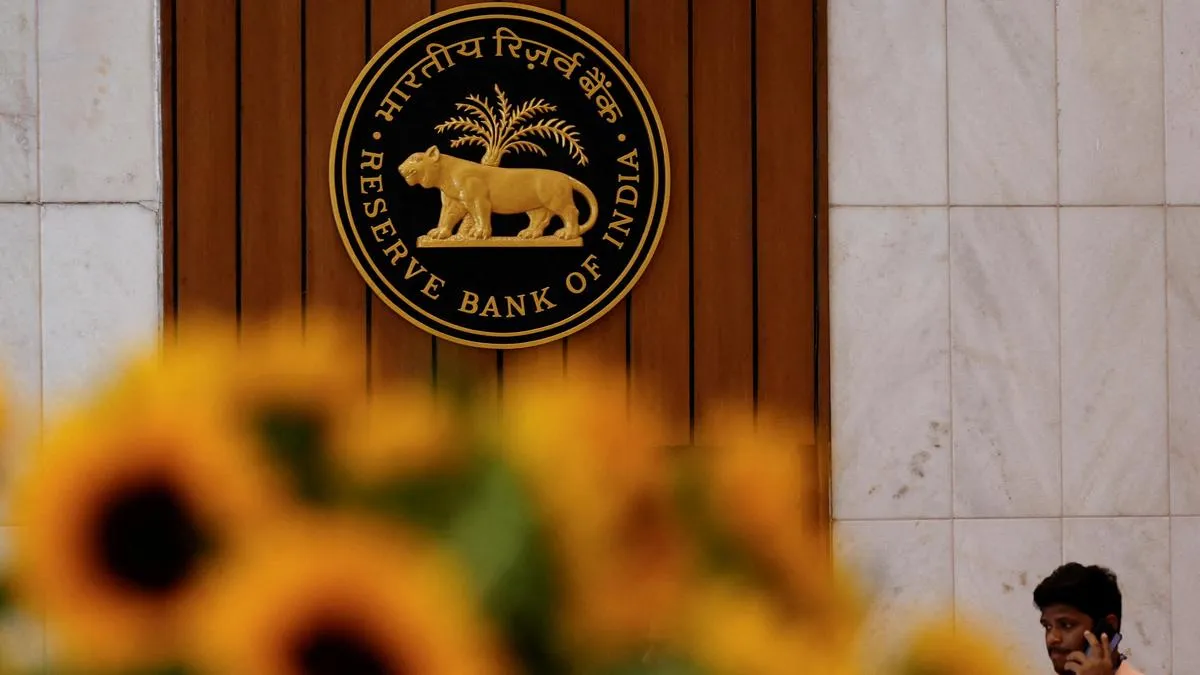
The Reserve Bank of India (RBI) has shifted the deadline for its new capital market exposure rules from April 1, 2026, to July 1, 2026. This three-month delay comes after banks, capital market intermediaries, and industry bodies raised concerns over operational issues and the need for additional clarity.
Initially, the RBI issued the final Amendment Directions on Capital Market Exposure on February 13, 2026. The guidelines were designed to provide a framework for banks to finance acquisitions by Indian corporates. However, the need for an extension became apparent as stakeholders sought more time to adapt.
In a statement, the RBI noted, “The Reserve Bank has since received representations from banks, CMIs, and various industry associations seeking an extension of the effective date, and also flagging certain operational and interpretational issues for clarification.” This feedback prompted the RBI to reconsider the timeline.
Under the amended guidelines, acquisition finance can now be extended specifically for acquiring control over non-financial target companies. Additionally, banks can offer on-lending to subsidiaries for the same purpose. However, strict caps have been introduced: loans to individuals against eligible securities are limited to ₹1 crore, while the cap for subscribing to shares under IPO, FPO, or ESOP stands at ₹25 lakh.
The backdrop of this decision is a challenging economic environment, marked by a significant depreciation of the Indian rupee, which recently hit a historic low of ₹94.81 against the dollar. The rupee has fallen four percent since the onset of the ongoing conflict, breaching critical thresholds in March 2026.
As banks prepare for the new rules, they have also been directed to unwind large currency positions by April 10, 2026. This directive aims to stabilize the currency market amid rising volatility.
Experts suggest that the RBI’s decision to delay the rules may provide banks with the necessary breathing room to adjust to the new framework, potentially mitigating risks associated with rapid implementation.
With the new deadline set, stakeholders are now tasked with ensuring compliance while navigating the complexities of the current economic landscape. The RBI’s proactive approach reflects its commitment to balancing regulatory oversight with the operational realities faced by financial institutions.
Details remain unconfirmed regarding any further adjustments to the guidelines or additional support measures that may be introduced in the coming months.